Don't miss our holiday offer - up to 50% OFF!

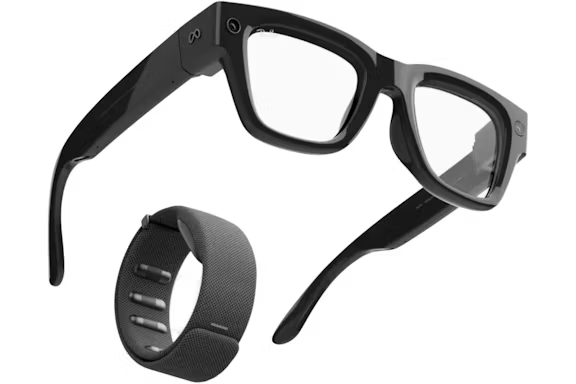
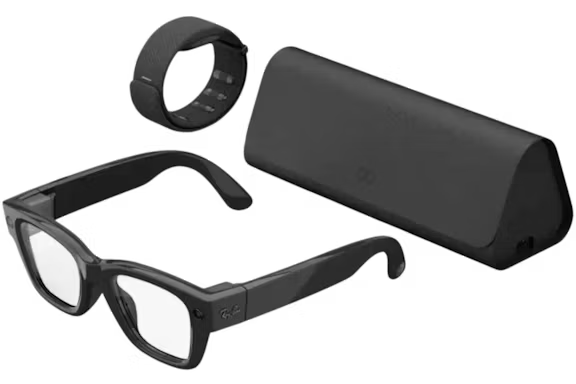

Meta | Ray-Ban Display & Neural Band AI Glasses with In-Lens Display, Photo, Video, Audio & Messaging – Standard Frame – Band Size 1 – Black
$1,149.99
The stylish Meta Ray-Ban Display smart AI glasses and Neural Band change the way you see and experience the world. Use simple hand gestures to navigate the full-colour, in-lens display, while built-in Meta AI delivers visual responses right when you need them. Quickly confirm answers without taking your attention away from what’s in front of you. Privately reply to messages, snap and preview shots, and share your favourite moments instantly—all with your smart AI glasses.
Meta | Ray-Ban Display & Neural Band AI Glasses – Standard Frame, Band Size 1, Black
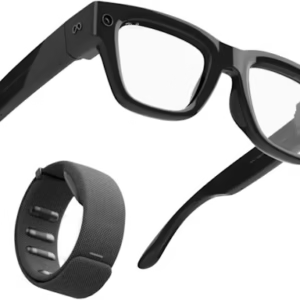
A New Way to Experience Connected Eyewear
Modern eyewear is being transformed by a combination of intelligent technology, immersive information, and everyday convenience. Instead of relying exclusively on a smartphone, selected digital interactions can be brought closer to your natural field of view.
The Meta | Ray-Ban Display & Neural Band AI Glasses with In-Lens Display Photo Video Audio & Messaging – Standard Frame – Band Size 1 – Black have been designed around that idea. A familiar eyewear silhouette is combined with advanced AI capabilities, an in-lens display, audio functionality, imaging features, and messaging support.
Rather than requiring users to constantly look down at a phone, information can be made available through a more natural wearable experience. Furthermore, hands-free interaction can be incorporated into everyday activities, whether you are communicating, capturing a moment, listening to audio, or exploring supported AI experiences.
The black standard frame also provides a versatile appearance. Consequently, the glasses can be incorporated into casual outfits, travel clothing, workday looks, or weekend wear without creating an overly technical appearance.
Key Product Highlights
- AI-enabled smart eyewear platform
- Integrated in-lens display
- Photo and video capture capabilities
- Built-in audio functionality
- Messaging support
- Neural-band interaction system
- Standard frame configuration
- Band Size 1 configuration
- Black frame finish
- Hands-free interaction experience
- Designed for connected everyday use
- Modern eyewear form combined with intelligent technology
Designed for Everyday Digital Interaction
Technology is most useful when it fits naturally into daily routines. For that reason, wearable devices have increasingly been developed to reduce the need for constant smartphone interaction.
These smart glasses provide an alternative approach. Instead of reaching for a phone whenever a digital task needs to be performed, supported interactions can be accessed through the eyewear experience.
Moreover, the combination of visual information, audio, imaging, and messaging creates a broader ecosystem than conventional sunglasses or prescription-style frames.
Whether you are walking through a new city, communicating with friends, documenting an experience, or interacting with supported AI features, the platform is intended to keep digital functionality closer to you.
Information Where You Need It
An in-lens display introduces another layer to the wearable experience.
Rather than depending solely on an external smartphone screen, compatible information can be presented within the user’s visual environment. This can make certain interactions feel more immediate and accessible.
At the same time, the display is only one part of the overall experience. Audio and hands-free controls can complement visual information, creating a more connected interface.
This approach is particularly useful for users who want technology to feel less separated from their everyday activities.
AI Features for More Natural Interaction
Artificial intelligence has become an increasingly important part of connected consumer technology. However, the value of AI depends heavily on how naturally it can be accessed.
With AI-enabled eyewear, interaction can be brought into a wearable format. Instead of treating AI as something that exists only inside a computer or smartphone application, selected capabilities can become part of a hands-free environment.
Furthermore, voice-based interaction can make certain supported functions easier to access while your hands are occupied.
Hands-Free Convenience
Hands-free operation can be especially useful during everyday situations.
For example, users may want to interact with technology while:
- Walking
- Traveling
- Exploring unfamiliar places
- Preparing food
- Working on hands-on projects
- Taking photographs
- Listening to audio
- Communicating with others
- Managing everyday activities
Instead of interrupting the activity completely, supported functions can be accessed through the wearable interface.
Integrated Photo and Video Capabilities
Capturing spontaneous moments is one of the most practical applications of smart eyewear.
A conventional camera requires the user to take a phone out, unlock it, position the device, and capture the moment. With connected eyewear, the capture process can be designed to feel considerably more immediate.
Photo and video functionality allows memorable experiences to be documented from a first-person perspective.
Capture Moments Naturally
A hands-free camera can be useful when the goal is to document an experience without constantly holding a smartphone.
For example, a user might want to capture:
- A scenic view during a trip
- A memorable moment with friends
- A creative project
- A sporting activity
- A walk through a new location
- A special event
- An interesting everyday discovery
As a result, the technology can become part of the experience instead of becoming the center of attention.
A Different Perspective on Content Creation
Content creators can also benefit from wearable imaging technology.
Traditional cameras can produce polished footage, but wearable capture provides a more personal perspective. Because the camera follows the user’s viewpoint, the resulting footage can feel more immersive and immediate.
Additionally, hands-free recording can be useful when both hands are needed for the activity being documented.
Audio Built Into the Wearable Experience
Audio functionality extends the usefulness of connected eyewear beyond visual interaction.
Music, supported audio content, communication, and other compatible experiences can be incorporated into the wearable environment.
Consequently, users can enjoy a more integrated experience without necessarily reaching for separate headphones during every interaction.
Designed Around Everyday Listening
Audio-enabled eyewear can be particularly convenient for users who prefer minimal accessories.
Instead of combining traditional sunglasses with separate audio equipment, compatible audio functionality can be incorporated into the eyewear platform.
This can make the overall setup feel cleaner and more convenient.
Messaging Without Constantly Checking Your Phone
Communication is another area where connected eyewear can provide a more hands-free experience.
Messaging functionality can allow supported communications to become part of the wearable ecosystem. Depending on software compatibility and available features, users may be able to interact with messages without relying entirely on a conventional phone-screen workflow.
This can be especially useful when attention needs to remain focused elsewhere.
Stay Connected While Moving
Digital communication has become part of everyday life. However, constantly checking a smartphone can interrupt conversations, work, travel, and other activities.
Wearable messaging provides another possibility.
Instead of repeatedly reaching into a pocket or bag, supported interactions can be accessed through the connected eyewear system.
Therefore, communication can remain accessible while the user continues with the activity at hand.
Neural Band Interaction
One of the distinguishing elements of this configuration is the inclusion of a neural-band interface.
Wearable interaction can become more intuitive when physical controls are supplemented by alternative input methods. The neural-band concept is designed to expand how compatible functions can be controlled and experienced.
Rather than relying exclusively on conventional buttons or touchscreen gestures, the system introduces another interaction layer.
A More Connected Control Experience
The neural-band component can contribute to a broader wearable ecosystem in which different forms of interaction work together.
Visual information can be combined with audio. Audio can be combined with AI interaction. Meanwhile, compatible band-based controls can complement the overall experience.
As a result, the technology can feel more integrated rather than consisting of several disconnected functions.
Standard Frame Design
Technology does not have to look overly technical.
The standard frame configuration maintains a familiar eyewear aesthetic while incorporating modern connected functionality. This makes the glasses suitable for users who want smart features without choosing an aggressively futuristic appearance.
The black finish further supports that versatility.
Black Finish for Everyday Styling
Black eyewear is widely suited to different personal styles because it can be paired with numerous colors and clothing choices.
The finish can complement:
- Casual clothing
- Streetwear
- Business-casual outfits
- Travel clothing
- Outdoor looks
- Minimalist wardrobes
- Everyday accessories
Therefore, the frame can be used as both a technology product and a style accessory.
Band Size 1 Configuration
Fit is an important consideration when selecting wearable technology.
This configuration is supplied with Band Size 1, allowing shoppers to select the appropriate product configuration based on their needs and compatibility requirements.
Before purchasing, users should verify the sizing information supplied by the retailer and manufacturer to ensure that the selected configuration is appropriate.
Why Smart Eyewear Is Becoming More Practical
Wearable technology has evolved significantly from basic fitness trackers and notification devices.
Today, smart eyewear can combine several functions within a familiar object.
Instead of carrying separate devices for every task, users can potentially consolidate selected experiences into one wearable platform.
For instance, a single pair of connected glasses may combine:
- Imaging
- Audio
- AI interaction
- Messaging
- Visual information
- Hands-free controls
This convergence is one of the reasons connected eyewear has attracted increasing attention.
Built for Connected Lifestyles
People interact with digital technology throughout the day.
Phones are used for communication. Cameras are used for memories. Headphones are used for audio. AI tools are used for information and assistance.
Smart eyewear brings several of these experiences closer together.
Moreover, the wearable format can reduce the physical separation between the user and the technology.
For Travelers
Travel can involve constant navigation, communication, photography, and information gathering.
Smart eyewear can complement these activities by providing compatible hands-free functions while users explore their surroundings.
A wearable camera can also make it easier to document experiences without constantly holding a phone.
For Content Creators
Creators often need to capture authentic moments quickly.
Wearable imaging can provide a first-person perspective that conventional handheld cameras may not replicate as naturally.
Furthermore, hands-free operation can allow creators to remain focused on the activity itself.
For Everyday Users
You do not need to be a professional creator or technology enthusiast to appreciate connected eyewear.
Simple convenience can be valuable.
Listening to audio, interacting with supported AI functions, communicating, or capturing a moment can all become part of a more streamlined routine.
A Blend of Fashion and Technology
The strongest wearable products often succeed when technology does not overpower the design.
These glasses are built around that principle.
The familiar frame aesthetic makes the product recognizable as eyewear first. Meanwhile, the technology operates behind that familiar appearance.
This balance can make connected eyewear easier to incorporate into everyday life.
Technology That Fits Your Routine
Instead of changing your entire lifestyle around a device, wearable technology works best when it adapts to existing habits.
You already wear glasses or sunglasses.
You already listen to audio.
You already communicate through messages.
You already take photos and videos.
You already interact with AI and digital services.
By bringing compatible functions into eyewear, the experience can become more seamless.
Product Benefits at a Glance
Smart functionality: AI-enabled capabilities are integrated into a wearable format.
Visual interaction: An in-lens display adds another way to access compatible information.
Hands-free imaging: Photos and videos can be captured from a wearable perspective.
Audio support: Compatible audio experiences can be accessed through the glasses.
Communication: Messaging capabilities extend connectivity beyond the conventional smartphone interface.
Neural-band interaction: A dedicated band introduces an additional method of interacting with compatible functions.
Versatile appearance: The black standard frame can complement a wide variety of personal styles.
Everyday usability: The overall design is intended to support practical daily activities rather than occasional use only.
What Makes This Configuration Different?
Several technologies have been brought together within one wearable ecosystem.
The in-lens display provides a visual component. Imaging provides documentation capabilities. Audio adds another communication and entertainment layer. Messaging supports connectivity. AI adds intelligent interaction, while the neural band introduces an additional control mechanism.
Together, these elements create a product experience that extends beyond traditional eyewear.
Importantly, however, available functions can depend on software, connected devices, region, account requirements, compatibility, and future updates.
A More Immersive Way to Capture Life
Photography has traditionally been associated with holding a camera in front of you.
Wearable capture changes that relationship.
Because the camera is positioned with the eyewear, the perspective can more closely follow what the wearer is seeing.
As a result, recorded memories can feel more immediate and personal.
Capture Without Interrupting the Moment
Some moments disappear quickly.
A laugh with friends. A beautiful landscape. An unexpected event. A memorable part of a journey.
When capturing requires several steps, the moment can sometimes pass before the camera is ready.
Wearable technology can reduce that friction by making capture part of the overall eyewear experience.
Intelligent Eyewear for Modern Communication
Communication is increasingly becoming multimodal.
People send text messages, voice messages, photos, videos, and other digital content throughout the day.
Smart eyewear adds another possible layer to this communication environment.
Instead of treating communication as something that requires constant screen interaction, compatible functions can be accessed through wearable technology.
This can help make digital communication feel more natural during movement and everyday activities.
A Product Designed for Convenience
Convenience remains one of the strongest reasons people choose connected technology.
A feature is valuable when it solves a real problem.
The combination of visual display, audio, camera functions, messaging, AI, and wearable controls can help reduce the number of separate interactions required for certain tasks.
Therefore, the overall value of this product comes not only from individual specifications but also from how those capabilities work together.
Intelligent Features for a More Connected Experience
Connected eyewear has evolved beyond the traditional concept of glasses. Instead, modern wearable technology can combine visual information, audio, imaging, communication, and artificial intelligence within a single platform.
This configuration has been developed around that broader idea. Consequently, the experience can feel less like using a collection of separate devices and more like interacting with one connected ecosystem.
At the center of the experience is an intelligent interface designed to make compatible digital functions easier to access while remaining hands-free.
AI Assistance in Everyday Situations
Artificial intelligence can be useful when information is needed quickly.
Rather than opening a separate application for every question or task, compatible AI functionality can provide a more direct interaction method. Voice-based commands can also make the experience more convenient when your hands are occupied.
For example, AI-assisted eyewear can be useful when you want to:
- Ask supported questions
- Obtain information
- Interact with compatible AI services
- Explore ideas
- Get assistance with everyday tasks
- Access supported voice functionality
- Interact with digital content
The exact AI features available can vary according to software, region, account configuration, connected devices, and future updates.
In-Lens Display Technology
The in-lens display represents one of the most distinctive elements of this wearable experience.
Traditional smart glasses may depend heavily on audio or a companion smartphone. By contrast, a display integrated into the eyewear can introduce visual information directly into the user’s field of view.
This can create a more immediate way of interacting with compatible content.
Visual Information Without Constant Phone Use
Smartphones remain extremely useful. Nevertheless, repeatedly looking down at a phone can interrupt whatever you are doing.
A compatible in-lens display offers another possibility.
Instead of shifting your attention completely toward a handheld screen, supported information can be presented through the eyewear interface.
This can be particularly useful in situations where maintaining awareness of your surroundings is important.
A More Natural Digital Interface
The goal of wearable displays is not simply to make a smaller screen.
Instead, the objective is to integrate digital information into an environment that the user is already experiencing.
Consequently, visual information can become part of the overall context rather than requiring a completely separate interaction.
Combining Visual and Audio Information
Visual information and audio can complement one another.
Some information is easier to understand visually, while other interactions are more convenient when delivered through sound.
By combining both, compatible experiences can be made more flexible.
For instance, an audio response can provide information while the display provides supporting visual elements.
Likewise, visual information can be supplemented by audio feedback.
This combination can make the interaction feel more complete.
Hands-Free Photography
Photography becomes particularly interesting when the camera is incorporated into eyewear.
The user’s viewpoint becomes the natural starting point for capturing content.
Instead of holding a smartphone in front of your face, you can remain engaged with the environment while compatible capture functionality is used.
First-Person Perspective
A first-person perspective can provide a different style of photography and video.
The resulting footage can reflect what the wearer is actually experiencing rather than what an external camera operator chooses to frame.
That makes the technology useful for personal memories as well as certain forms of content creation.
Everyday Moments Can Be Documented
Not every memorable moment happens when a dedicated camera is available.
A walk through an interesting neighborhood, an unexpected event, or a spontaneous gathering can happen without warning.
Wearable capture can reduce the number of steps between noticing something interesting and documenting it.
Video Capture for Content Creation
Video has become one of the most popular forms of digital communication.
Creators use short-form video, live content, travel footage, tutorials, demonstrations, and personal storytelling across numerous platforms.
Wearable cameras can provide an additional perspective for these formats.
A Hands-Free Creative Tool
A wearable camera can be useful when both hands need to remain available.
For example, creators could potentially document:
- Outdoor activities
- Travel experiences
- Demonstrations
- Walking tours
- Creative projects
- Behind-the-scenes moments
- Everyday lifestyle content
However, users should always respect applicable privacy laws and the privacy of people around them when recording.
Audio for Everyday Entertainment
Audio functionality extends the glasses beyond visual technology.
Compatible audio content can be experienced while the eyewear remains part of your normal outfit.
This can be convenient when you want access to sound without carrying another dedicated audio accessory.
Listening While Staying Aware
One potential benefit of wearable audio is that it can reduce the need to use conventional headphones in certain situations.
However, users should remain aware of their surroundings, especially when walking, cycling, driving, or participating in other activities where environmental awareness is important.
Messaging and Communication
Digital communication can be incorporated into the wearable experience through supported messaging functionality.
This can make communication more accessible when a smartphone is not immediately convenient.
Stay Connected on the Move
Imagine walking through a city while receiving a compatible message.
Instead of immediately stopping to retrieve your phone, supported wearable functions can provide another way to interact with communication services.
That can be particularly useful during travel, commuting, or hands-on activities.
Of course, supported messaging services and functionality depend on the software ecosystem and connected devices being used.
Neural Band Technology
The accompanying neural band adds another dimension to the overall interaction model.
Wearable technology increasingly explores alternative ways of controlling digital experiences. Instead of depending entirely on touchscreens, physical buttons, or voice commands, additional input methods can be introduced.
The neural-band component is designed around this broader concept.
Expanding Wearable Interaction
A wearable ecosystem becomes more versatile when several interaction methods can work together.
Voice interaction can provide convenience.
Visual information can provide context.
Audio can provide feedback.
The band can add another compatible control mechanism.
Together, these elements can make interaction more flexible.
Designed for Different Types of Users
Connected eyewear can appeal to a wide range of people.
For Technology Enthusiasts
Users who enjoy exploring new technology may appreciate the combination of AI, display technology, imaging, audio, and wearable controls.
Instead of purchasing separate experimental devices, the functionality is brought together in an eyewear format.
For Travelers
Travelers can benefit from hands-free technology because travel often involves photography, communication, navigation, translation, and information gathering.
A connected wearable can complement a smartphone while allowing the user to remain focused on the surroundings.
For Creators
Content creators can gain another perspective for photography and video.
The first-person viewpoint can provide footage that feels more personal and immediate.
For Everyday Users
The technology does not need to be used exclusively for professional activities.
Everyday users can benefit from convenient audio, communication, AI interaction, and image capture.
A Stylish Approach to Wearable Technology
Wearable technology is most successful when it can be used comfortably within everyday life.
The standard frame design helps maintain a recognizable eyewear appearance.
The black finish also provides a versatile aesthetic.
Minimalist Black Styling
Black can be combined with almost any wardrobe.
Whether the user prefers casual clothing, professional attire, athletic wear, or streetwear, the frame can complement the overall appearance.
Therefore, the glasses can function as both a technology product and a style accessory.
Built Around Convenience
A major advantage of integrated technology is reduced friction.
When several functions are accessible from one wearable platform, fewer separate devices may be required for certain activities.
For example, the user may be able to combine:
- Camera functionality
- Audio
- AI interaction
- Visual information
- Communication
- Wearable controls
The result is an ecosystem designed around accessibility and convenience.
Everyday Travel Applications
Travel is one area where smart eyewear can become particularly useful.
A traveler may need to capture photographs, communicate with others, listen to audio, access information, and remain aware of the surroundings.
Instead of repeatedly switching between different devices, compatible functions can be accessed through the wearable system.
Exploring New Places
When exploring an unfamiliar location, attention naturally belongs on the surroundings.
Smart eyewear can potentially reduce the need to repeatedly look at a handheld device.
This can make the overall experience more immersive.
Documenting Trips
Travel memories are often captured spontaneously.
Wearable photography can make it easier to document those experiences from the wearer’s perspective.
As a result, travel footage can feel more authentic and personal.
Everyday Productivity
Connected eyewear may also complement certain productivity routines.
For example, hands-free audio and voice interaction can be useful while completing tasks that do not require full visual attention.
This can allow users to remain engaged with their surroundings while interacting with compatible digital functions.
Multitasking With Greater Flexibility
Multitasking should always be approached carefully.
Nevertheless, wearable technology can reduce the number of physical steps required for some simple interactions.
A voice command can be easier than typing.
An audio response can be more convenient than reading a phone screen.
A wearable camera can be faster than preparing a separate camera.
These small conveniences can add up throughout the day.
A New Perspective on Digital Photography
The position of a camera can influence the character of a photograph.
A handheld camera is deliberately pointed at a subject.
A wearable camera follows the wearer’s viewpoint.
That difference can produce a more immersive style of content.
Capturing the Experience
Traditional photography often emphasizes the subject.
Wearable photography can emphasize the experience itself.
The viewer may see what the wearer saw at the moment the image or video was captured.
This can be especially interesting for travel, lifestyle, outdoor, and behind-the-scenes content.
Privacy and Responsible Recording
Smart cameras should always be used responsibly.
Before recording people, users should consider applicable laws, social expectations, and privacy requirements.
In some environments, recording may be restricted.
Therefore, the presence of a wearable camera does not eliminate the responsibility to respect other people’s privacy.
Responsible Use Matters
Good wearable technology should complement real-world interaction rather than interfere with it.
Users should remain considerate when:
- Recording in public
- Attending private events
- Entering workplaces
- Visiting schools or restricted areas
- Participating in conversations
- Capturing other people
Following local rules and obtaining appropriate permission can help ensure that the technology is used respectfully.
Connectivity and Compatibility
Connected eyewear relies on an ecosystem of hardware and software.
The available experience can depend on the smartphone, operating system, applications, account settings, wireless connectivity, region, and software version being used.
Consequently, buyers should verify compatibility before purchase.
Software Can Influence Features
Technology products can receive software updates over time.
New capabilities may be introduced.
Existing functionality may also be modified.
For that reason, specifications and supported features should be checked against the latest manufacturer information before placing an order.
Battery and Everyday Usage
Like other electronic wearables, smart glasses require power.
Battery performance can vary considerably according to how the device is used.
Features such as video recording, audio playback, display usage, connectivity, and AI interaction can influence power consumption.
Practical Battery Considerations
Users who plan to use several high-power features throughout the day should consider their usage habits.
For example, extensive video capture may consume more energy than occasional audio use.
Likewise, frequent AI interaction and display activity can influence runtime.
Therefore, actual battery performance should be understood as usage-dependent rather than as a fixed experience for every user.
Comfort and Wearability
Eyewear needs to feel natural because it may be worn for extended periods.
The standard frame configuration is designed to maintain a familiar glasses format while incorporating additional technology.
Everyday Wear
A wearable device becomes more useful when it fits naturally into an existing routine.
For many users, glasses are already a familiar accessory.
Adding connected features can therefore make the transition into wearable technology more straightforward.
Nevertheless, individual comfort preferences vary, so shoppers should review the available sizing and fit information before purchasing.
Why the Black Finish Works So Well
Color is an important part of wearable design.
The black finish provides a clean and understated appearance.
Rather than drawing attention to the technology itself, the frame can maintain a relatively classic visual identity.
This makes it easier to combine with different styles and accessories.
Smart Features Without an Overly Technical Appearance
One of the biggest challenges in wearable technology is balancing functionality with aesthetics.
A device can contain sophisticated electronics without looking like laboratory equipment.
This product follows that philosophy by combining advanced capabilities with a recognizable eyewear format.
As a result, it can be suitable for users who want modern technology while maintaining a conventional personal style.
Key Benefits for Product Shoppers
When evaluating connected eyewear, several considerations should be taken into account.
1. Integrated Technology
Multiple digital capabilities are combined within one wearable platform.
2. Visual Interaction
The integrated display provides an additional method for interacting with supported information.
3. Hands-Free Operation
Compatible functions can be accessed without constantly holding a smartphone.
4. Imaging
Photos and videos can be captured from a wearable perspective.
5. Audio
Compatible audio experiences can be accessed through the eyewear.
6. Communication
Supported messaging features can help users remain connected.
7. AI
Compatible artificial-intelligence functions provide another layer of digital assistance.
8. Neural-Band Interface
The accompanying band expands the potential interaction model.
9. Versatile Styling
The black standard frame can complement a wide range of personal aesthetics.
10. Connected Ecosystem
The overall experience can integrate several digital functions into one wearable format.
Who Might Consider This Product?
These glasses may be particularly interesting to shoppers who value a combination of technology, convenience, communication, and style.
They can be considered by:
- Technology enthusiasts
- Digital creators
- Travelers
- Early adopters
- Photography enthusiasts
- Video creators
- Connected-device users
- Professionals seeking hands-free interaction
- Users interested in wearable AI
- People who prefer minimalist technology
The best use case ultimately depends on individual preferences, supported features, and device compatibility.
Before You Buy
Smart eyewear represents a significant technology purchase, so several details should be checked before ordering.
First, verify the exact frame configuration.
Next, confirm the band size.
Afterward, check smartphone and software compatibility.
Additionally, review supported features in your region.
Finally, confirm warranty, return, and after-sales policies supplied by the retailer.
Important Compatibility Considerations
Feature availability can vary depending on:
- Smartphone model
- Operating system
- Companion applications
- Internet connectivity
- Account requirements
- Geographic availability
- Software version
- Manufacturer updates
Therefore, shoppers should confirm the latest specifications before completing their purchase.
The Future of Wearable Computing
The development of connected eyewear represents a broader shift in personal computing.
For decades, computers moved from desktops to laptops, then to smartphones and increasingly compact wearable devices.
Smart eyewear represents another possible stage in that evolution.
Instead of carrying a screen everywhere, users can increasingly interact with technology through devices that remain attached to the body.
From Screens to Ambient Computing
Ambient computing refers broadly to technology becoming integrated into the environment around the user.
Wearable devices can contribute to this idea.
Instead of intentionally opening a computer, the technology can remain available throughout the day.
This can make digital interaction more immediate.
A Connected Companion for Everyday Life
The real appeal of advanced eyewear is not simply the number of features included.
Instead, it is the way those features can work together.
AI can provide assistance.
The display can provide visual information.
Audio can deliver sound.
The camera can capture moments.
Messaging can support communication.
The neural band can provide an additional interaction method.
When these functions are integrated effectively, the result can feel more like a connected companion than a conventional electronic accessory.
Product Specification Overview
| Feature | Configuration |
|---|---|
| Product category | AI-enabled connected eyewear |
| Frame style | Standard |
| Frame color | Black |
| Display | In-lens display |
| Imaging | Photo and video capabilities |
| Audio | Integrated audio functionality |
| Communication | Supported messaging |
| AI | AI-enabled functionality |
| Interaction | Neural-band system |
| Band configuration | Size 1 |
| Primary use | Connected wearable computing |
| Design focus | Everyday wearable technology |
Final Thoughts
The Meta | Ray-Ban Display & Neural Band AI Glasses with In-Lens Display Photo Video Audio & Messaging – Standard Frame – Band Size 1 – Black bring several emerging technologies together within a familiar eyewear format.
Rather than focusing on only one capability, the platform combines visual information, AI interaction, imaging, audio, communication, and an additional wearable control system.
Furthermore, the black standard frame allows the technology to remain versatile enough for everyday styling.
For users interested in the next generation of connected devices, this type of eyewear offers an intriguing combination of convenience and innovation.
Most importantly, the product is designed around a simple concept: technology should be accessible without constantly interrupting the moment you are experiencing.
As wearable computing continues to develop, connected eyewear may become an increasingly natural part of everyday digital life.
Meta AI: AI Assistant, Image Generator, Photo Editor, Video Creator and More
Artificial intelligence has rapidly changed the way people search, communicate, create images, edit photos, produce videos, and interact with digital information. Among the platforms attracting significant attention is Meta AI, an artificial intelligence ecosystem designed to bring AI-powered assistance and creative capabilities into everyday digital experiences.
Whether you are searching for an AI photo maker, exploring Meta AI images, experimenting with an AI image generator, creating pictures with artificial intelligence, or learning how to use Meta AI, this technology provides a broad range of possibilities. In addition, Meta’s AI development includes conversational assistants, image-generation experiences, creative tools, and AI models such as Llama.
For users searching for terms such as auto meta, facebook ai, mera ai, meta-ai, meata ai, me’ta ai, mataai, or metaia, these variations generally point toward interest in Meta’s artificial intelligence products and services.
What Is Meta AI?
Meta AI is Meta’s artificial intelligence platform and assistant ecosystem. It is designed to help people interact with AI through natural-language conversations, creative generation, information discovery, and other digital experiences.
The platform has become particularly associated with searches for meta ai photo editing, meta ai photo, meta ai images, meta ai generator, meta ai image editor, and meta ai text to image capabilities.
Instead of treating artificial intelligence as a tool that is limited to technical users, Meta’s AI experiences are designed around conversational interaction. A user can provide a request in ordinary language, and an AI system can respond according to the capabilities available in that particular experience.
This makes the technology relevant to photographers, content creators, students, marketers, social-media users, designers, entrepreneurs, and everyday users who want to explore artificial intelligence.
Meta AI and Facebook AI
One of the most frequently searched combinations is facebook ai. This interest comes from the relationship between Meta’s AI technology and its social platforms.
Meta operates major social communication platforms, and artificial intelligence can be incorporated into those environments to provide assistance, recommendations, creative features, and other experiences.
When someone searches for ai facebook, meta ai facebook, or simply facebook ai, they may be looking for information about how artificial intelligence is being incorporated into Meta’s broader ecosystem.
The exact features available can vary according to the application, country, account, device, and current product rollout.
Meta AI Photo Editing
AI-powered photo editing has become one of the most popular applications of generative artificial intelligence.
With meta ai photo editing, users can explore AI-assisted approaches to transforming or generating visual content. Depending on the particular Meta AI experience available, users may be able to describe the type of visual they want and interact with AI using natural language.
Searches including:
- meta ai photo
- meta ai photos
- meta ai picture
- meta ai pictures
- meta ai photo editor
- meta ai picture editor
- meta ai image editor
- meta ai image editing
- meta ai images
- meta imagine
- meta ai imagine
all reflect interest in using artificial intelligence for visual creation and modification.
AI image tools can be particularly useful when a creator wants to experiment quickly without manually performing every editing operation.
Creating Photos With AI
The concept behind crear fotos con ia and crear foto con ia is simple: users describe a desired image or creative concept, and an AI system generates or transforms visual content according to the capabilities provided.
Similarly, Spanish-language searches such as ia para crear imagenes, crear imagenes con ia, crear imagen con ia gratis, and inteligencia artificial para crear imagenes demonstrate growing interest in AI-powered visual creation.
For international audiences, multilingual AI experiences can make image-generation technology easier to explore.
Meta AI Image Generator
An AI image generator converts a textual or conversational description into visual content. Instead of beginning with a blank canvas and manually constructing every element, the user can describe a concept.
For example, a creator might describe:
A futuristic city at sunset with glass buildings, flying vehicles, and cinematic lighting.
An AI image-generation system can interpret those instructions and produce a visual result based on the request.
This is why terms such as meta image generator, meta ai image generator, meta.ai image generator, meta ai generator, and meta ai text to image are frequently associated with generative-AI searches.
Meta AI Text-to-Image Experiences
Text-to-image generation represents an important development in creative technology.
A text prompt can contain information about:
- Subject
- Environment
- Composition
- Lighting
- Colors
- Artistic style
- Camera perspective
- Mood
- Background
- Clothing
- Objects
- Visual atmosphere
The more clearly an idea is communicated, the easier it can be for an AI system to interpret the desired result.
That makes meta ai text to image technology useful for brainstorming, visual experimentation, social-media content, concept development, and creative exploration.
Meta AI Image Editing
Traditional photo editing can require considerable time and experience. AI-assisted editing introduces another approach in which natural-language instructions can potentially be used to describe desired changes.
The phrase meta ai image editing therefore represents a broader interest in conversational image manipulation.
Users searching for meta ai image editor, meta ai photo editor, or meta ai picture editor may be interested in changing visual elements without relying exclusively on conventional editing workflows.
AI-assisted image editing can be useful for experimenting with:
- Background changes
- Creative variations
- Object modifications
- Image enhancement
- Style experimentation
- Concept visualization
- Social-media content
- Marketing visuals
However, specific editing capabilities should always be checked against the current version of the relevant Meta AI product.
Meta AI Voice
Visual generation is only one part of modern artificial intelligence. Voice interaction has also become increasingly important.
Meta ai voice refers to AI experiences that allow people to interact with artificial intelligence through spoken communication.
Voice-based assistants can make AI interaction feel more natural because users do not necessarily need to type every request.
Instead, a person can communicate with an AI assistant conversationally.
This can be particularly convenient when users are:
- Walking
- Driving
- Cooking
- Working
- Multitasking
- Brainstorming
- Asking quick questions
- Exploring ideas
The availability and capabilities of voice functionality can vary depending on the specific Meta product and region.
Meta AI Virtual Assistant
The concept of a meta ai virtual assistant extends beyond simple question answering.
An AI assistant can potentially help users brainstorm ideas, explain concepts, generate text, answer questions, assist with creative tasks, and support everyday digital activities.
Searches for meta ai assistant features capabilities, meta ai assistant, ask meta, and how to use meta ai reflect interest in understanding what an AI assistant can actually do.
The conversational approach is one of the defining characteristics of modern generative AI.
Instead of learning a complex command structure, users can communicate using ordinary language.
Ask Meta AI
Ask Meta represents the conversational side of Meta’s artificial intelligence experience.
Users can formulate questions, requests, or creative instructions and receive AI-generated responses.
For example, someone could ask an AI assistant to:
- Explain a difficult topic
- Generate ideas
- Help write a message
- Brainstorm a business name
- Create a social-media caption
- Explain a technical concept
- Suggest travel ideas
- Help structure a project
- Generate creative concepts
The exact responses and capabilities depend on the AI system, available features, and context.
Meta AI Web
Another major search category is meta ai web.
Users searching for meta ai web, www meta ai, , meta ai com, meta.a, mete.ai, or meta ai sign in are generally looking for the web-based Meta AI experience or information about accessing it.
The web experience provides another way to interact with Meta’s AI technology outside of certain mobile or social-platform environments.
A web-based interface can be particularly useful for people who prefer using a desktop or laptop computer.
Users should verify the official domain before entering login information or other sensitive account details. Artificial-intelligence services are increasingly popular, which also means users should remain cautious of imitation websites, misleading advertisements, and unofficial services.
Meta AI Accounts
Depending on the service and region, users may encounter account-related requirements when accessing AI features.
Searches for meta ai accounts and meta ai sign in demonstrate that account access is an important part of the user journey for many people.
Account requirements can change over time, so users should consult the current official Meta AI interface for the latest access requirements.
Is Meta AI Free?
One of the most common questions is is meta ai free?
The answer depends on the particular Meta AI feature, service, region, and current product offering.
Some Meta AI experiences may be available without a separate subscription, while other products, features, or services may have different requirements.
Therefore, searches for meta ai free should be understood in the context of the specific Meta AI experience being used.
Before assuming that every AI capability is free, users should check the current official product information.
Meta AI Images
Meta AI images represent another important area of interest.
Generative AI has made it possible to create visual concepts from written instructions. This can help people turn abstract ideas into visual experiments.
For example, a small business owner might want a promotional concept. A designer might need a mood-board idea. A content creator might need inspiration for a social post.
Rather than starting from nothing, AI can help generate an initial creative direction.
This is also where searches such as meta ai pictures, meta ai picture, meta ai imagine, meta imagine, and meta image generator become relevant.
Meta AI Animate
AI animation is another growing area of generative technology.
The search phrase meta ai animate reflects interest in using artificial intelligence to add movement or animation to visual content.
Similarly, ia para animar imagenes means “AI to animate images” in Spanish.
AI-assisted animation can be used for creative experimentation, storytelling, social content, concept demonstrations, and visual presentations.
The exact animation capabilities available from a particular Meta AI product can change as new features are introduced.
Meta AI Video
AI-generated and AI-assisted video has become another major area of interest.
Searches such as:
- meta.ai video
- meta video ai
- meta video
- meta ai video
- meta ai video download
show the growing interest in AI-powered video creation and manipulation.
Video generation is more complex than still-image generation because multiple frames must remain visually coherent over time.
An AI video system may need to interpret:
- Characters
- Motion
- Camera movement
- Environment
- Lighting
- Timing
- Objects
- Scene transitions
This makes video AI a technically demanding area of generative artificial intelligence.
Meta AI and Llama
Meta’s AI ecosystem is also closely connected with its Llama family of large language models.
Searches for llama 4, llama 3, and meta llama ai reflect interest in Meta’s AI model development.
Large language models are trained to process and generate language. They can be used as foundations for conversational assistants, developer applications, research systems, and other AI experiences.
The relationship between underlying AI models and consumer-facing applications is important. An AI assistant is not necessarily identical to the underlying model that powers it.
Instead, applications can combine models with interfaces, safety systems, retrieval capabilities, product-specific features, and other technologies.
Meta Artificial General Intelligence
Another highly searched concept is meta artificial general intelligence.
Artificial general intelligence, commonly abbreviated as AGI, generally refers to a hypothetical form of artificial intelligence capable of performing a broad range of intellectual tasks at a level comparable to or beyond humans.
This concept is different from today’s specialized AI applications.
Current generative AI can perform many impressive tasks, but that does not automatically mean it constitutes artificial general intelligence.
The phrase Meta’s AI therefore encompasses a broad research and product ecosystem rather than establishing that a particular product is AGI.
Meta AI Public Feed
The concept of a meta ai public feed relates to social discovery and AI-generated or AI-assisted content experiences.
Feeds can provide ways for users to discover content, interact with posts, and explore creative outputs.
AI-powered feeds can potentially involve recommendation systems, personalization, content generation, and other machine-learning technologies.
As with other social products, users should understand that feed content can be influenced by algorithms and platform design.
Meta AI Vibes
Meta AI Vibes is another phrase associated with interest in AI-generated creative content.
Searches for meta ai vibes, vibes.ia, and related terms demonstrate how AI creativity is becoming increasingly connected with social and visual experiences.
AI creative platforms can make experimentation accessible to users who may not have traditional graphic-design or video-production skills.
AI Photo Maker
An AI photo maker can transform a written concept into a visual result.
This technology is especially useful for people who need rapid creative exploration.
Instead of searching through existing photographs for exactly the right image, a creator can experiment with generating a new visual concept.
AI photo creation can be used for:
- Social-media concepts
- Marketing ideas
- Product concepts
- Storytelling
- Creative inspiration
- Educational visuals
- Presentation concepts
- Personal experimentation
The phrase artificial intelligence photo maker captures this broader category of AI-powered image creation.
Create Images With AI
The Spanish-language phrase crear imagenes con ia means “create images with AI.”
Similarly:
- ia imagen
- ia imagenes
- ia para imagenes
- ia para crear imagenes
- crear imagen
- crear imagen con ia gratis
- crear fotos con ia
- crear foto con ia
- inteligencia artificial para crear imagenes
are all associated with the growing global interest in generative visual technology.
AI has lowered the technical barrier for visual experimentation because users can communicate ideas using natural language rather than relying exclusively on complex design software.
Meta AI Photo Creation for Content Creators
Content creators often need fresh visuals on a regular basis.
AI image-generation technology can help creators brainstorm visual concepts before investing significant time in production.
For example, a creator developing a technology-focused social campaign could generate multiple visual concepts around futuristic devices, digital environments, or artificial intelligence.
A marketer could use AI to explore different advertising directions.
A designer could use AI-generated images as inspiration.
A writer could create visual references for fictional environments.
The technology therefore functions not only as an image generator but also as a creative brainstorming assistant.
Meta AI for Social Media
Social media and artificial intelligence increasingly overlap.
Meta operates several major social platforms, making AI particularly relevant to digital communication.
AI can support social-media users through:
- Creative ideation
- Writing assistance
- Image creation
- Content discovery
- Conversational assistance
- Visual experimentation
- Personalized experiences
This helps explain why searches for ai facebook, meta ai feed, meta ai public feed, and meta ai photos continue to attract attention.
Meta AI Google Searches
People also search for combinations such as meta google and meta ai google when comparing AI services or searching for Meta AI through Google.
These phrases do not necessarily represent a single Meta product. Often, they simply reflect how users search for information about AI services online.
When researching AI platforms, it is useful to distinguish between:
- Official product websites
- Search-engine results
- Third-party reviews
- User-generated content
- Unofficial applications
- Developer documentation
This distinction can help users avoid confusing unofficial information with official product capabilities.
Developer Meta AI
Developers represent another important audience for Meta’s artificial intelligence ecosystem.
Searches for dev meta ai, developer meta, and related terms often indicate interest in APIs, documentation, AI models, developer resources, and application development.
AI developers may be interested in areas such as:
- Large language models
- AI assistants
- Image generation
- Multimodal AI
- Natural-language processing
- Machine learning
- AI application development
- Model deployment
Meta’s developer ecosystem is separate from simply using a consumer AI assistant, although the two areas can be related.
Advanced Features, Creative Tools, Llama, AI Images, Video & Assistant Capabilities
Meta AI for Everyday Creativity
Artificial intelligence has moved beyond simple question-and-answer systems. Today, AI can be used for brainstorming, writing, visual creation, image editing, research, communication, and creative experimentation. Meta AI brings many of these concepts together through conversational AI experiences designed for everyday users.
For someone searching for meta ai, ai meta, meta ia, metaia, meta a, meta a.i., mita ai, maeta ai, mrta ai, meta aai, meta aii, or meta ai[, the underlying interest is often the same: understanding what Meta’s AI technology can do and how it can be used.
Meta AI can be viewed as an entry point into a wider artificial-intelligence ecosystem. Instead of requiring users to understand complicated programming concepts, conversational interfaces allow people to communicate their intentions in natural language.
Whether you want to crear imagen, create a photo, ask a question, generate an idea, explore an AI image, or learn about Meta’s AI models, conversational interaction provides a more accessible starting point.
Meta AI Assistant Features and Capabilities
The phrase meta ai assistant features capabilities represents a broad category of questions about what an AI assistant can actually accomplish.
An AI assistant can potentially support many everyday activities, including:
- Answering questions
- Explaining complicated subjects
- Brainstorming ideas
- Generating written content
- Helping with creative concepts
- Creating or transforming visual content
- Supporting conversations
- Providing recommendations
- Assisting with planning
- Summarizing information
- Exploring ideas through dialogue
The available capabilities depend on the particular Meta AI product, device, application, account, region, and current software version.
Conversational AI
One of the most important characteristics of modern AI assistants is conversational interaction.
Rather than entering rigid commands, users can describe what they want in ordinary language.
For example:
Help me come up with three ideas for a futuristic travel poster.
A conversational AI system can interpret the request and provide creative suggestions.
The interaction can then continue naturally. A user can ask for changes, clarification, additional ideas, or a different direction.
This makes AI particularly useful for iterative creative work.
How to Use Meta AI
The question how to use meta ai is one of the most important searches for new users.
Although the exact interface can change, the general process is straightforward.
Step 1: Access a Meta AI Experience
Depending on availability, Meta AI may be encountered through a supported Meta application, web experience, device, or other integrated product.
Users should use official Meta channels when accessing AI services.
Step 2: Start a Conversation
Once the relevant AI interface is available, a user can enter a question or request.
For example:
- “Explain artificial intelligence in simple terms.”
- “Give me ideas for a birthday invitation.”
- “Create a concept for a futuristic city.”
- “Help me write a product description.”
- “Give me five social-media ideas.”
Step 3: Refine the Result
AI works particularly well when users treat the interaction as a conversation.
If the first response does not match the desired result, additional instructions can be provided.
For example, users can request:
- A shorter version
- A more professional tone
- More creative ideas
- A different visual concept
- A different style
- Additional examples
- A simpler explanation
Step 4: Verify Important Information
AI-generated information should be checked when accuracy is important.
This is especially relevant for financial, legal, medical, technical, academic, and other high-stakes information.
Meta AI Imagine
The term meta ai imagine is associated with the visual-generation side of Meta AI.
The idea behind AI image generation is that a user can describe an image rather than manually constructing every visual element.
A prompt might describe:
- A person
- A landscape
- A product
- A building
- A vehicle
- A fantasy environment
- A futuristic city
- A particular atmosphere
- A specific artistic direction
The AI then interprets those instructions and generates a visual result according to the capabilities of the service.
This makes meta imagine relevant to creators who want to explore visual ideas quickly.
Meta AI Text to Image
Meta ai text to image technology connects natural-language prompts with visual generation.
A text-to-image workflow can begin with a simple sentence.
For example:
A modern sports car parked outside a glass skyscraper at night.
The AI can interpret the subject, environment, lighting, and overall composition.
More detailed prompts can include additional information.
Example of a Detailed AI Image Prompt
Create a cinematic futuristic city at sunset, featuring reflective skyscrapers, elevated transportation systems, soft atmospheric lighting, and a wide-angle composition.
The purpose of detailed prompting is to communicate the desired visual direction clearly.
Meta AI Image Editor
An AI image editor approaches photo manipulation from a conversational perspective.
Traditional editing software often requires users to select tools, brushes, layers, filters, masks, and other controls manually.
AI-assisted editing can potentially allow users to describe the intended change.
This is why users search for:
- meta ai image editor
- meta ai photo editor
- meta ai picture editor
- meta ai image editing
- meta ai photo editing
AI editing can be useful for experimentation, although the exact editing functions offered by Meta AI can change over time.
Meta AI Pictures
The phrase meta ai pictures can refer broadly to images generated, edited, or explored using Meta’s AI experiences.
Visual AI has become especially popular because pictures can communicate ideas quickly.
For businesses, AI-generated visuals can support brainstorming.
For creators, they can provide inspiration.
For educators, they can help illustrate concepts.
For social-media users, they can support creative posts.
For designers, they can provide preliminary visual directions.
AI for Creating Images
The broader concept of ai para crear imagenes translates to “AI for creating images.”
AI image creation is now used across multiple creative industries.
Users can explore concepts such as:
Product Visualization
A product concept can be represented visually before physical production begins.
Marketing Concepts
Businesses can explore advertising ideas and campaign imagery.
Social-Media Content
Creators can generate visual concepts for posts, stories, and other digital content.
Storytelling
Writers can visualize fictional locations, characters, and environments.
Education
Teachers and students can experiment with illustrations for educational topics.
Crear Fotos Con IA
The phrase crear fotos con ia means “create photos with AI.”
Similarly, crear foto con ia represents the same general concept in singular form.
AI photography tools can be used to experiment with visual concepts without requiring every image to be captured with a physical camera.
However, generated images should not automatically be treated as photographs of real events or people. AI-generated visual content can represent fictional or synthetic scenes.
That distinction is particularly important when AI images are shared publicly.
Crear Imagen Con IA Gratis
The search phrase crear imagen con ia gratis reflects demand for accessible AI image-generation tools.
Users often want to understand whether they can experiment with AI image generation without paying for a subscription.
Availability, usage limits, features, and account requirements can vary between products and over time.
Therefore, users should check the current service terms rather than assuming that every AI image feature is permanently free.
Artificial Intelligence Photo Maker
An artificial intelligence photo maker combines natural-language instructions with image-generation technology.
The concept is particularly appealing to people who do not have advanced graphic-design skills.
Instead of learning complicated software first, a user can begin by describing an idea.
For example:
Create a professional-looking technology workspace with a laptop, futuristic lighting, and a clean modern background.
The resulting concept can then inspire additional creative work.
AI Photo Maker
An ai photo maker can be useful when visual experimentation needs to happen quickly.
Instead of manually creating every element, AI can assist with the initial concept.
Possible applications include:
- Website imagery
- Blog illustrations
- Social-media graphics
- Creative concepts
- Advertising ideas
- Presentation visuals
- Storyboards
- Concept art
The quality and usefulness of results depend heavily on the model, prompt, available features, and subsequent human editing.
Meta AI Video
Video represents another major frontier for generative artificial intelligence.
The terms meta video, meta video ai, meta ai video, and meta.ai video reflect interest in AI-assisted video experiences.
Unlike a still image, video requires temporal consistency.
An AI video system may need to maintain consistency between frames while representing:
- Movement
- Characters
- Objects
- Camera angles
- Lighting
- Environments
- Facial expressions
- Scene transitions
This makes AI video generation considerably more complex than generating a single picture.
Meta AI Video Download
The search phrase meta ai video download may refer to users wanting to save or export AI-generated video content.
Whether a particular video can be downloaded depends on the specific product, feature, account, content, and current platform controls.
Users should always follow the applicable terms and copyright rules when saving or redistributing generated content.
Meta AI Animate
Meta ai animate represents interest in bringing motion into AI-generated visual experiences.
Animation can transform a static concept into a more dynamic presentation.
Potential applications include:
- Animated social posts
- Storytelling
- Visual experiments
- Marketing concepts
- Educational demonstrations
- Character experiments
- Motion concepts
The phrase ia para animar imagenes similarly means “AI for animating images.”
Muse Spark and AI Creativity
Muse Spark can be discussed within the broader context of AI-assisted creative exploration.
Creative AI tools increasingly focus on helping users move from an initial idea to a visual or written concept.
A creative workflow might involve:
- Brainstorming an idea.
- Describing the concept to AI.
- Generating multiple variations.
- Selecting a preferred direction.
- Refining the concept.
- Editing the final result.
- Publishing or incorporating it into a larger project.
This workflow illustrates how AI can function as a creative collaborator rather than simply a question-answering system.
Llama 3 and Llama 4
Meta’s AI ecosystem is also connected to the Llama family of large language models.
Searches for llama 3, llama 4, and meta llama ai indicate strong interest in these models.
Large language models are designed to process and generate text. They can support applications involving:
- Natural-language understanding
- Text generation
- Question answering
- Coding
- Summarization
- Reasoning
- Conversational interfaces
Different generations and versions of a model family can have different capabilities, benchmarks, licensing conditions, and deployment options.
Therefore, users researching Llama 3 or Llama 4 should consult the relevant official technical documentation for version-specific information.
Meta AI Developer Tools
Developers may approach Meta AI differently from ordinary consumers.
A developer might be interested in:
- Model documentation
- APIs
- SDKs
- AI application development
- Llama models
- Developer resources
- Model deployment
- AI research
This explains searches such as dev meta ai, developer meta, and meta ai tool.
Developer-oriented AI products can provide building blocks for applications rather than simply offering a finished consumer interface.
Meta AI Tool
The phrase meta ai tool can refer to many different AI capabilities.
An AI tool can be designed for:
- Text generation
- Image creation
- Image editing
- Voice interaction
- Video creation
- Research
- Brainstorming
- Coding
- Productivity
The specific tool should therefore be identified before evaluating its capabilities.
Meta AI Feed
A meta ai feed can refer to AI-related content discovery within Meta’s ecosystem.
Modern feeds can use machine-learning systems to determine which content is presented to users.
AI can influence:
- Recommendations
- Content ranking
- Discovery
- Personalization
- Search
- Creative suggestions
Users should remember that algorithmic feeds are not necessarily chronological collections of everything published.
Meta AI Public Feed
The term meta ai public feed may be used by people searching for publicly discoverable AI-generated content or AI-related posts.
As AI-generated media becomes more common, platforms are developing different approaches to displaying and labeling synthetic content.
Users should examine available labels and context before assuming that an AI-generated image represents an authentic photograph.
Meta AI and Multilingual Creativity
Artificial intelligence is increasingly being used across languages.
The keyword list associated with Meta AI demonstrates this global interest.
Examples include:
- мета ии
- ميتا ai
- 메타 ai
- yapay zeka
- tạo ai
- ia para crear imagenes
- crear imagenes con ia
- crear fotos con ia
The Russian phrase мета ии, Arabic phrase ميتا ai, Korean phrase 메타 ai, Turkish phrase yapay zeka, and Vietnamese phrase tạo ai demonstrate how AI searches extend across linguistic communities.
Multilingual AI can make technology more accessible, although the exact language support and quality can vary by product and feature.
Yapay Zeka and Meta AI
Yapay zeka is a Turkish expression for artificial intelligence.
People searching for yapay zeka may be researching AI broadly, including conversational AI, image generation, machine learning, and generative tools.
Meta AI belongs to the broader artificial-intelligence landscape alongside many other AI systems.
Meta AI in Spanish
Spanish-language AI searches have grown significantly.
Common search concepts include:
- ia para crear imagenes
- crear imagenes con ia
- crear fotos con ia
- crear imagen
- crear foto con ia
- crear imagen con ia gratis
- ia para imagenes
- ia imagen
- ia imagenes
- inteligencia artificial para crear imagenes
- ia para animar imagenes
These searches demonstrate a clear interest in using AI for practical visual creation.
Meta AI in Arabic
The keyword ميتا ai represents Arabic-language interest in Meta AI.
As AI adoption expands globally, multilingual search behavior becomes increasingly important.
AI systems can potentially help users communicate, create, and explore information across different languages.
However, language availability and performance should be checked for the specific product and feature.
Meta AI in Korean
The phrase 메타 ai represents Korean-language interest in Meta AI.
Korean users, like users worldwide, may be interested in AI assistants, image generation, creative tools, and conversational systems.
This reinforces the international nature of generative artificial intelligence.
AI Mate, Meta AI and AI Assistants
Searches such as ai mate may reflect interest in AI companions, assistants, or conversational systems.
An AI assistant can provide an interactive way to explore information.
However, AI should generally be understood as a tool rather than a replacement for human relationships, professional advice, or independent judgment.
AI Myself and Personal Creativity
The phrase ai myself can represent interest in using AI to create personalized content.
Personalized AI experiences can include:
- Creative image concepts
- Writing assistance
- Personal brainstorming
- Customized ideas
- AI-generated visual experiments
Users should still be mindful about the personal information they provide to any online AI service.
Meta AI and Privacy
AI services process information in order to provide their functionality.
When using an AI platform, users should consider what information they enter.
Avoid unnecessarily providing:
- Passwords
- Banking credentials
- Private identification numbers
- Confidential business information
- Sensitive personal documents
- Other information that does not need to be shared
Privacy policies and product controls can change, so users should review the current official documentation.
Meta AI and Responsible Image Creation
AI image generators can create highly realistic-looking visuals.
This makes responsible use particularly important.
Users should distinguish between:
AI-generated content — created or substantially generated by an artificial intelligence system.
Traditional photography — captured using a camera.
AI-assisted editing — a real image modified using AI.
Synthetic media — digitally generated or manipulated media that may resemble authentic content.
Clear labeling can help audiences understand what they are viewing.
Meta AI for Businesses
Businesses can use AI as a productivity and creative tool.
Potential business applications include:
Marketing
AI can help brainstorm campaign concepts and promotional ideas.
Customer Communication
AI assistants can help draft responses and organize information.
Content Creation
AI can assist with initial drafts, concepts, and visual ideas.
Research
AI can help summarize and organize information, although important claims should be verified.
Product Development
AI can support brainstorming and early-stage concept development.
Meta AI for Content Creators
Content creators constantly need new ideas.
AI can support the creative process by helping with:
- Video concepts
- Caption ideas
- Image concepts
- Story ideas
- Content calendars
- Headlines
- Scripts
- Creative brainstorming
The creator remains responsible for reviewing and refining the final material.
Meta AI for Students
Students may use AI to:
- Understand difficult concepts
- Brainstorm essay topics
- Create study questions
- Summarize material
- Practice explanations
- Explore creative projects
However, AI-generated academic material should be checked for accuracy, and students should follow their institution’s rules concerning AI assistance.
Meta AI for Designers
Designers can use AI as a source of inspiration.
A designer might generate several visual directions before developing a polished design manually.
AI can therefore become part of a larger workflow:
Idea → Prompt → Generation → Selection → Editing → Final Design
This approach can save brainstorming time while retaining human creative control.
Meta AI and Creative Prompting
Prompt quality can influence AI output.
A useful prompt often identifies:
- What should be created?
- Who or what is the subject?
- Where is the subject?
- What visual style is desired?
- What mood should be represented?
- What composition is preferred?
- What details are important?
For example:
Create a modern editorial-style technology photograph featuring a futuristic smartphone on a glass table, with soft studio lighting and a clean premium background.
The prompt communicates several visual requirements rather than simply saying “make a phone picture.”
Meta AI Generator for Marketing
An AI generator can help marketers explore multiple campaign concepts.
For example, a company launching a new product could brainstorm:
- Product hero imagery
- Social-media concepts
- Website banners
- Promotional backgrounds
- Seasonal campaigns
- Brand storytelling visuals
AI-generated concepts can then be reviewed and refined by a human creative team.
Meta AI and the Future of Artificial Intelligence
Artificial intelligence continues to develop rapidly.
The evolution from text assistants toward multimodal systems means that users increasingly expect AI to understand and generate multiple forms of information.
These can include:
- Text
- Images
- Audio
- Video
- Code
- Structured information
Meta AI sits within this broader technological transformation.
The future of AI will likely involve deeper integration between conversational systems, creative tools, applications, wearable devices, and developer platforms.
Meta AI: Frequently Asked Questions
Is Meta AI free?
Availability depends on the specific Meta AI feature, location, platform, account, and current offering. Users should check the current official service information rather than assuming every feature has identical pricing or access requirements.
How do I use Meta AI?
Access an available Meta AI experience, start a conversation, enter a question or creative request, and refine the response through follow-up instructions.
Can Meta AI create images?
Meta has developed AI experiences involving image generation and creative tools. Specific capabilities and availability can vary.
Can Meta AI edit photos?
AI-assisted image editing is an area of interest within Meta’s AI ecosystem. The exact editing functions depend on the current product and feature availability.
What is Meta AI?
Meta AI refers broadly to Meta’s artificial-intelligence products, assistants, research, models, and AI-powered experiences.
What is Llama?
Llama is a family of large language models developed by Meta. Different versions can provide different capabilities and are used across AI research and application-development contexts.
What is Llama 3?
Llama 3 is a generation within Meta’s Llama family of large language models.
What is Llama 4?
Llama 4 refers to a newer generation of Meta’s Llama model family. Exact capabilities depend on the particular model variant.
Can Meta AI create videos?
Meta has pursued AI-powered video technology and research. The specific video-generation or editing capabilities available to ordinary users depend on the product and current rollout.
Can Meta AI animate images?
AI animation is an emerging creative capability. Availability depends on the specific Meta AI product and feature set.
What is an AI image generator?
An AI image generator is a system that creates visual content based on instructions, often using natural-language prompts.
What is an AI photo maker?
An AI photo maker is a tool that uses artificial intelligence to create or assist with visual content.
What does “crear fotos con IA” mean?
It means “create photos with AI” in Spanish.
What does “crear imagenes con IA” mean?
It means “create images with AI” in Spanish.
What does “yapay zeka” mean?
“Yapay zeka” is Turkish for artificial intelligence.
What does “мета ии” mean?
It is a Russian-language search expression referring to Meta AI.
What does “메타 AI” mean?
It is the Korean-language form commonly used when referring to Meta AI.
These variations are useful for capturing different ways people search for the same broad subject. However, they should be distributed naturally throughout the page rather than repeatedly inserted into individual sentences.
Why Users Search for Meta AI
Search behavior surrounding Meta AI can generally be grouped into several categories.
Informational Searches
Users want to understand what Meta AI is.
Creative Searches
Users want to create images, photos, videos, or other content.
Navigational Searches
Users want to locate the Meta AI website or sign-in experience.
Technical Searches
Developers want information about Meta’s AI models and tools.
Feature Searches
Users want to understand image, voice, video, assistant, and feed capabilities.
Comparison Searches
Users want to understand how Meta’s AI products relate to other artificial-intelligence systems.
Understanding these search intents can make an SEO page more useful because content can answer the actual questions behind the keywords.
Final Overview
Meta AI represents a broad collection of artificial-intelligence technologies, products, models, and experiences associated with Meta.
From AI photo maker and Meta AI image generator searches to Meta AI voice, Meta AI video, Meta AI assistant, and Llama AI, the ecosystem covers multiple forms of modern artificial intelligence.
For creators, AI can provide new ways to explore visual concepts.
For businesses, it can support brainstorming and content workflows.
For developers, Meta’s model ecosystem provides opportunities to explore AI application development.
For everyday users, conversational AI can make artificial intelligence easier to interact with.
Whether the search begins with meta ai, metaia, meta ia, ai meta, facebook ai, meta ai photo, meta ai images, meta imagine, meta ai generator, meta ai voice, meta ai video, Llama 3, Llama 4, or a multilingual phrase such as crear imagenes con ia, the underlying technology represents an expanding field in which human creativity and artificial intelligence increasingly work together.
Related products
-
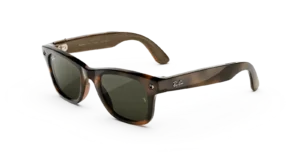
RAY-BAN Wayfarer (Gen 3) AI GLASSES
Price range: $449.00 through $529.00Select options This product has multiple variants. The options may be chosen on the product page -
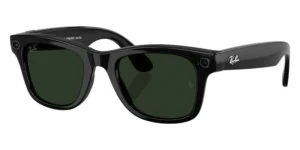
Ray-Ban | Meta Wayfarer (Gen 2) Glasses with AI, Photo, Video, Audio & Messaging – Matte Black/Clear – Standard
Price range: $519.99 through $609.99Select options This product has multiple variants. The options may be chosen on the product page -
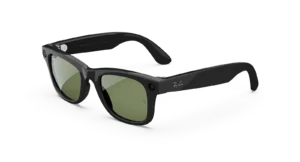
Ray-Ban | Meta Wayfarer (Gen 1) Glasses with AI, Photo, Video, Audio & Messaging – Shiny Black/G-15 Green – Standard
Price range: $277.99 through $449.97Select options This product has multiple variants. The options may be chosen on the product page -

RAY-BAN META Clubmaster (Audio) AI GLASSES STANDARD
Price range: $349.00 through $429.00Select options This product has multiple variants. The options may be chosen on the product page
Reviews
There are no reviews yet.