Don't miss our holiday offer - up to 50% OFF!

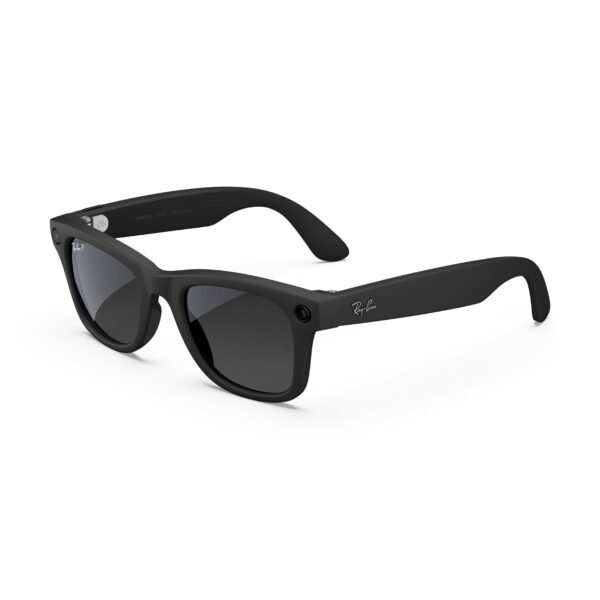
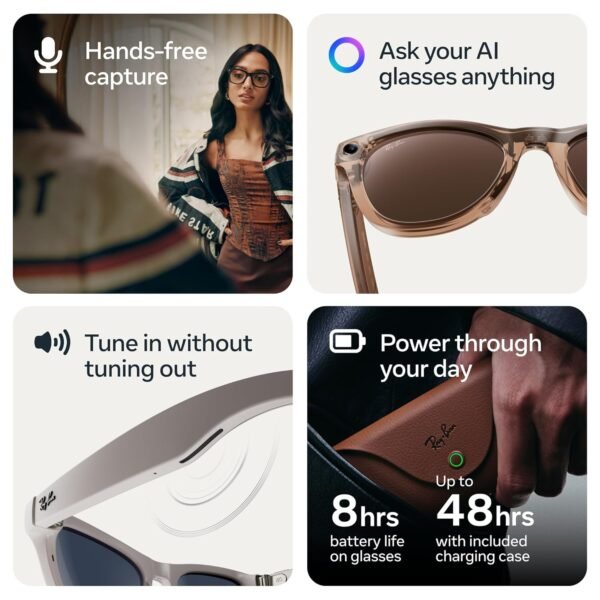
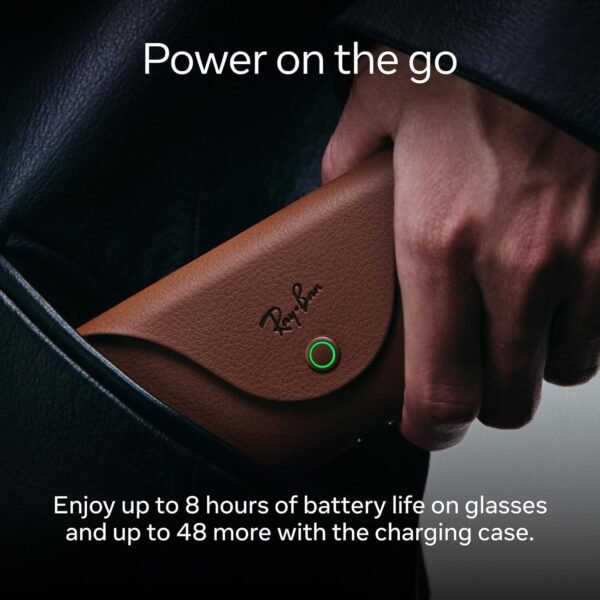
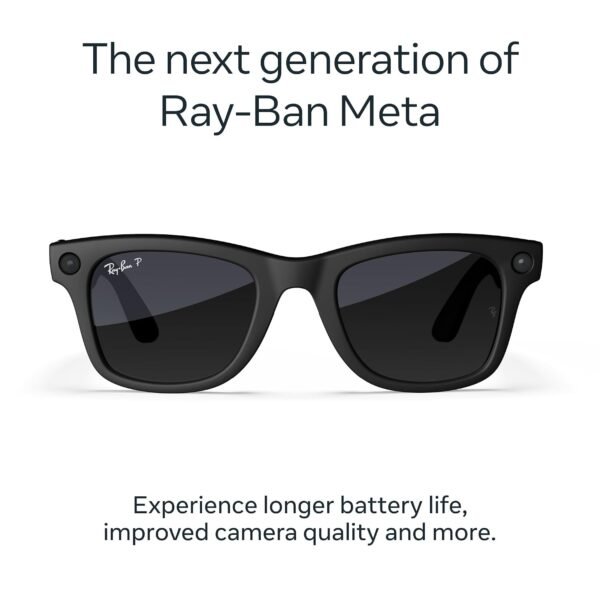




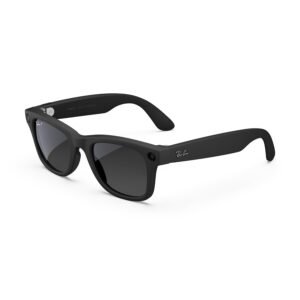
Ray-Ban | Meta Wayfarer (Gen 2) Glasses with AI, Photo, Video, Audio & Messaging – Matte Black/Polarized Gradient Graphite – Standard
$559.99
The Ray-Ban Meta Wayfarer (Gen 2) AI glasses combine iconic style with cutting-edge Meta AI to keep you connected, hands-free. Capture moments, take calls, listen to music, and even translate conversations in real time. The Ray-Ban Meta Wayfarer (Gen 2) AI glasses combine iconic style with cutting-edge Meta AI to keep you connected, hands-free. Capture moments, take calls, listen to music, and even translate conversations in real time. With long battery life, high-quality camera, and open-ear speakers, they’re built for all-day wear.
Ray-Ban | Meta Wayfarer (Gen 2) Glasses with AI Photo Video Audio & Messaging – Matte Black/Polarized Gradient Graphite – Standard
See More. Capture More. Stay Connected.
A familiar silhouette has been reimagined for a more connected everyday experience. The Ray-Ban Meta Wayfarer (Gen 2) Glasses with AI, Photo, Video, Audio & Messaging – Matte Black/Polarized Gradient Graphite – Standard combine an instantly recognizable eyewear design with intelligent technology designed for modern life.
Rather than carrying multiple devices for every task, a more streamlined experience can be enjoyed through a single pair of smart glasses. Moments can be captured, conversations can be continued, information can be accessed, and audio can be enjoyed while the wearer remains focused on the world around them.
The Matte Black frame provides a timeless appearance. Meanwhile, the Polarized Gradient Graphite lenses add a refined visual finish while helping reduce distracting glare in suitable outdoor conditions.
Whether the glasses are being worn during a city walk, a weekend adventure, a casual outing, travel, or everyday routines, the design has been created to remain versatile. In addition, the technology is integrated discreetly so that functionality does not have to dominate the look.
A Classic Design Meets Modern Intelligence
Traditional eyewear has always been about personal style and visual comfort. Smart eyewear expands that purpose by bringing additional capabilities into the frame.
The Wayfarer-inspired profile remains familiar. However, the experience has been updated for people who want technology to fit naturally into their daily routines.
AI-assisted features can make everyday interactions more convenient. Photos and videos can be captured from a first-person perspective. Audio can be enjoyed without traditional headphones. Furthermore, supported messaging functions can help users stay connected without constantly reaching for a smartphone.
Because these functions are integrated into the glasses, a more natural interaction with technology can be experienced.
Key Product Highlights
- Classic Wayfarer-inspired frame design
- Matte Black finish
- Polarized Gradient Graphite lenses
- AI-enabled smart features
- Hands-free photo capture
- Hands-free video recording
- Integrated audio experience
- Messaging capabilities through supported services
- Designed for everyday wear
- Standard frame sizing
- Modern connected-eyewear experience
- Suitable for travel, lifestyle, entertainment, and everyday use
Matte Black Styling for Everyday Versatility
A frame should complement an outfit rather than compete with it. That principle is reflected in the Matte Black finish.
Because black is naturally versatile, the glasses can be paired with casual clothing, business-casual outfits, travel attire, or outdoor apparel. As a result, one pair can easily become part of an everyday wardrobe.
The understated finish also allows the technology to remain visually discreet. Instead of appearing like a traditional electronic device, the glasses retain the appearance of fashionable eyewear.
That balance is particularly useful for users who want connected technology without sacrificing personal style.
A Recognizable Silhouette
The Wayfarer shape has long been associated with distinctive eyewear styling. Its structured lines provide a confident appearance while remaining suitable for many different personal styles.
For that reason, the design can work equally well during relaxed weekends and busy weekdays.
Moreover, the familiar silhouette helps the smart functionality feel less intrusive. Technology is present, but it is incorporated into an object that already has a natural place in everyday life.
Polarized Gradient Graphite Lenses
The Gradient Graphite lens treatment gives the glasses a contemporary appearance while providing a visually distinctive finish.
Polarization can be particularly useful in bright outdoor environments because polarized lenses are designed to reduce certain types of reflected glare. Consequently, activities around roads, water, open spaces, and bright surfaces may feel more visually comfortable for suitable users.
The gradient treatment also contributes to the overall aesthetic. A darker upper section transitions toward a lighter area, creating a sophisticated appearance that works well across different environments.
However, lens performance and suitability can vary depending on lighting conditions and individual visual needs. Therefore, users should always choose eyewear according to their specific requirements.
AI Features Designed Around Everyday Moments
Artificial intelligence has increasingly become part of everyday technology. With connected eyewear, AI capabilities can be brought closer to the situations where information is actually needed.
Instead of opening another device for every small question or task, supported AI functionality can provide a more direct interaction.
This can be particularly useful while walking, traveling, exploring a new location, learning about something interesting, or simply looking for hands-free assistance.
Hands-Free Interaction
The main advantage of smart eyewear is convenience.
When a smartphone is placed inside a pocket or bag, certain tasks can still be accessed through the glasses. Therefore, attention can remain focused on the surrounding environment.
Hands-free interaction can be valuable during:
- Walking
- Traveling
- Sightseeing
- Outdoor activities
- Commuting
- Creative projects
- Everyday errands
- Social occasions
- Exploring unfamiliar environments
The experience is intended to feel natural rather than complicated. Instead of treating the glasses like a miniature computer, users can simply wear them and access supported functions when needed.
Capture Photos From Your Perspective
Some moments are difficult to capture naturally with a smartphone.
When a phone is raised, the interaction with the environment can change. With integrated cameras, however, compatible smart glasses can provide a more immediate way to capture what the wearer is seeing.
A photo can be taken from a first-person perspective, allowing memories to be recorded without interrupting the moment as much.
This can be useful for travel photography, everyday memories, family occasions, creative projects, and spontaneous discoveries.
First-Person Photography
First-person capture provides a different perspective from conventional smartphone photography.
Instead of photographing yourself from a distance, the surrounding experience can be documented from the wearer’s point of view.
That perspective can add authenticity to personal content. Furthermore, it can reduce the need to constantly hold a phone while moving through an environment.
The result can be a more natural record of everyday experiences.
Record Video While Staying Present
Video recording becomes particularly convenient when the camera is integrated into eyewear.
Rather than holding a smartphone continuously, users can capture supported video moments while keeping both hands available.
This can be valuable during travel, walks, events, creative sessions, and spontaneous experiences.
The hands-free format may also make short-form content creation feel more natural.
Built for Real-Life Moments
Not every memorable moment happens when a camera is already prepared.
Sometimes the most interesting experiences are unexpected.
A quick interaction, an unusual view, a memorable journey, or an exciting discovery can happen within seconds. Because connected eyewear is already being worn, capturing supported moments can become simpler.
Nevertheless, responsible recording practices should always be followed. People should be respected, privacy should be considered, and applicable laws or venue policies should be observed.
Integrated Audio Without Traditional Earbuds
Another major aspect of connected eyewear is audio.
Audio can be integrated into the frame so that users can listen to supported content without relying on conventional earbuds.
This can create a more open and convenient listening experience for everyday activities.
Music, podcasts, calls, notifications, and other supported audio experiences can become part of a daily routine.
Audio for Everyday Activities
Different listening situations can benefit from a hands-free format.
For example, audio can be useful while:
- Walking around town
- Traveling
- Working through daily tasks
- Listening to podcasts
- Enjoying music
- Following spoken information
- Making supported calls
The exact experience depends on the connected device, software, region, account configuration, and supported services.
Therefore, users should check current compatibility before purchasing when a particular feature is essential.
Messaging Without Constantly Reaching for Your Phone
Staying connected does not always require a phone to be held in the hand.
Supported messaging functionality allows compatible communications to become more accessible through the smart eyewear experience.
This can be especially useful when users are moving between activities.
Instead of stopping everything to check a screen, supported interactions can be handled through the connected system.
A More Natural Communication Experience
Modern communication is increasingly immediate.
Messages, calls, notifications, and social interactions can arrive throughout the day. Smart eyewear provides another way of interacting with some of those communications.
The goal is not necessarily to replace the smartphone. Rather, the glasses can complement it.
That distinction is important because smartphones remain central to many digital tasks. Connected eyewear simply provides another interface for selected functions.
Designed for Connected Lifestyles
Technology is most useful when it fits naturally into existing routines.
The glasses can be incorporated into many lifestyles without requiring a completely different way of doing things.
For travelers, they can provide a convenient way to capture experiences. For creators, they can offer another perspective for content. For everyday users, they can provide access to supported audio, communication, and AI features.
As a result, the product can serve different purposes depending on how it is used.
For Travelers
Travel often involves constant movement.
A smartphone may be needed for maps, photographs, communication, translation, tickets, and countless other tasks. Smart eyewear can complement that setup by providing selected hands-free functions.
Photos can be captured from a natural perspective. Audio can be accessed while moving. Supported AI features may also provide assistance in certain situations.
Consequently, the overall travel experience can feel more fluid.
For Content Creators
Creators are always looking for new ways to capture authentic perspectives.
Traditional cameras provide excellent control, but they are not always convenient for spontaneous content.
Wearable capture offers another option.
First-person footage can provide viewers with a closer connection to an experience. Moreover, the hands-free format can make certain activities easier to document.
The glasses can therefore become another creative tool rather than simply another electronic accessory.
For Everyday Users
Not every user needs advanced technology for professional purposes.
Sometimes convenience is enough.
Listening to audio, answering supported communications, capturing a quick photograph, or interacting with AI can all be useful during ordinary routines.
Because the glasses are worn like conventional eyewear, those capabilities can become part of an existing lifestyle rather than a separate activity.
Why Smart Eyewear Is Becoming More Practical
Wearable technology has evolved significantly.
Earlier devices often required users to learn complicated controls or accept designs that looked noticeably technological. Modern connected eyewear takes a different approach.
The technology is integrated into familiar products.
That approach can make adoption easier. People already understand how glasses fit into their routines. Therefore, adding selected digital capabilities can feel more approachable.
Furthermore, the technology can remain subtle.
Instead of carrying another standalone gadget, users can access certain functions through something they already wear.
A Balance Between Fashion and Function
Good smart eyewear needs to accomplish two things.
First, it needs to provide useful technology.
Second, it needs to remain attractive enough to be worn regularly.
This model aims to combine both priorities.
The Matte Black frame delivers a clean, understated aesthetic. Meanwhile, the Gradient Graphite lenses provide a distinctive finishing touch.
Together, these elements create eyewear that can transition between technology-focused use and ordinary fashion.
Built for Different Moments
One of the strongest advantages of versatile eyewear is adaptability.
The same pair can be worn during a morning walk and later during an evening social event. It can accompany a weekend trip, a casual lunch, or an afternoon spent exploring a new location.
That versatility can make connected eyewear more practical than specialized gadgets that are only useful in certain circumstances.
Morning Routine
The day can begin with audio, supported notifications, or other connected features.
Rather than immediately reaching for a phone, users can interact with selected functions through their connected eyewear.
This can make mornings feel more streamlined.
Outdoor Exploration
Outdoor environments create opportunities for photography and video.
The glasses can provide a convenient way to document selected moments while leaving the hands available for other tasks.
Furthermore, polarized lenses may be useful in appropriate bright outdoor conditions where reflected glare is present.
Social Experiences
Technology should not always require attention.
The discreet nature of integrated eyewear allows users to remain engaged with the people around them while using supported features when appropriate.
That balance can be especially valuable during social occasions.
Comfort and Everyday Wear
Smart glasses must still function as eyewear.
If they are uncomfortable, users are less likely to wear them consistently.
Therefore, everyday usability should remain a major consideration when selecting connected eyewear.
Frame fit, facial shape, prescription requirements, lens preferences, and personal comfort can all influence the experience.
The Standard size is designed for users who require the corresponding frame dimensions. However, individual fit preferences vary.
For prescription needs, users should confirm available lens options and compatibility before ordering.
Technology That Complements Your Smartphone
Connected eyewear is not intended to make every other device unnecessary.
Instead, it can extend the capabilities of a smartphone.
The phone can remain the primary device for detailed browsing, applications, long-form communication, advanced photography, and other complex tasks.
Meanwhile, the glasses can provide convenient access to selected functions while the phone remains in a pocket or bag.
This division can create a more flexible digital experience.
A New Way to Experience Everyday Technology
The most interesting aspect of connected eyewear is not necessarily any individual feature.
It is the way several capabilities can work together.
A camera can capture a moment.
Audio can provide information.
AI can assist with supported tasks.
Messaging can help maintain communication.
Meanwhile, the wearer can continue interacting with the physical environment.
That combination creates a different relationship between people and technology.
Product Benefits at a Glance
Style
- Matte Black frame
- Recognizable Wayfarer-inspired silhouette
- Contemporary Gradient Graphite lens appearance
- Easy to coordinate with many outfits
Smart Features
- AI-supported functionality
- Photo capture
- Video recording
- Integrated audio
- Supported messaging features
- Hands-free interaction
Lifestyle Benefits
- Convenient for travel
- Useful for content creation
- Suitable for everyday routines
- Designed for connected lifestyles
- Helps reduce the need to constantly hold a smartphone
Who Are These Glasses For?
These glasses can be suitable for people who want technology integrated into an everyday accessory.
They may appeal particularly to:
- Technology enthusiasts
- Travelers
- Content creators
- Social-media users
- Photography enthusiasts
- Podcast listeners
- Music listeners
- Professionals seeking hands-free convenience
- People interested in AI-powered products
- Users who prefer discreet wearable technology
At the same time, they are not limited to technology enthusiasts.
Someone who simply appreciates modern eyewear and convenient connected features may also find the concept appealing.
Important Considerations Before Purchase
Before ordering, several factors should be reviewed.
First, users should confirm that their smartphone and operating system meet the required compatibility standards.
Second, supported AI, messaging, and connected features can depend on software updates, region, account availability, and third-party services.
Third, people requiring prescription lenses should confirm whether the desired lens configuration is supported.
Finally, users should consider their preferred fit, daily environment, and intended use.
Understanding these details beforehand can help create a better ownership experience.
Privacy and Responsible Use
Connected cameras create new possibilities, but they also require responsible use.
Recording people without permission can create privacy concerns. Therefore, users should follow local laws and respect the expectations of people nearby.
In addition, users should remain aware of their surroundings.
Smart features should complement real-world awareness rather than replace it.
When used thoughtfully, connected eyewear can provide useful technology while maintaining consideration for other people.
The Future of Wearable Technology
Smart eyewear represents an important shift in how digital experiences can be accessed.
Instead of interacting with technology exclusively through phones, tablets, and computers, people can increasingly access selected capabilities through wearable devices.
This can make technology more contextual.
Information can be accessed when it is relevant. Moments can be captured when they happen. Audio can remain available without occupying the hands.
As AI becomes more capable, these interactions may become increasingly natural.
The result is a future where technology can feel less like something we actively operate and more like something that quietly supports everyday activities.
Final Product Overview
The Ray-Ban Meta Wayfarer (Gen 2) Glasses with AI, Photo, Video, Audio & Messaging – Matte Black/Polarized Gradient Graphite – Standard bring together recognizable eyewear styling and modern connected functionality.
A timeless Matte Black frame is paired with Gradient Graphite polarized lenses for a distinctive everyday appearance. At the same time, integrated technology provides access to supported AI, photography, video, audio, and communication features.
For travelers, creators, professionals, and everyday users alike, the concept is centered around convenience.
Rather than asking users to carry another dedicated device, selected digital capabilities are integrated into eyewear that can already be worn throughout the day.
Ultimately, the appeal lies in the combination of style, convenience, connectivity, and hands-free interaction.
It is a practical step toward a more natural relationship between people and the technology they use every day.
Smart Features, Lifestyle Experience & Buying Guide
Intelligent Eyewear for a More Connected Day
Modern technology is increasingly being designed around convenience. Instead of requiring users to stop what they are doing, many devices are now being developed to work naturally within everyday routines.
Smart eyewear follows that same philosophy.
A pair of connected glasses can provide access to selected digital functions while the wearer continues walking, talking, traveling, working, or exploring. Consequently, technology can become less distracting while still remaining accessible.
The experience is particularly appealing to people who prefer hands-free interaction. Rather than constantly reaching for a smartphone, selected tasks can be handled through the eyewear and its connected ecosystem.
AI Assistance When You Need It
Artificial intelligence has moved beyond traditional computers and smartphones.
With compatible smart eyewear, AI can become part of a more immediate interaction between the user and their surroundings. Questions can be asked, information can be explored, and supported tasks can be accessed without necessarily opening a separate screen.
This creates a different type of digital experience.
Everyday Questions
Small questions appear throughout the day.
A user might want information about something they are seeing, need assistance understanding a topic, or simply want to explore an idea.
AI-assisted eyewear can make those interactions more accessible when supported by the relevant software and services.
As a result, information can become available during moments when reaching for a phone would feel inconvenient.
Learning on the Go
Learning does not always happen at a desk.
A museum visit, city walk, travel experience, or casual observation can all become opportunities for discovery.
With supported AI capabilities, users can interact with information in a more conversational way. Therefore, learning can become more integrated into everyday experiences.
This can be particularly useful for curious users who enjoy exploring new places, objects, concepts, and ideas.
Voice Interaction
Voice interaction can make connected eyewear easier to use.
Instead of relying exclusively on physical controls, supported functions can be accessed through spoken commands. This can be especially convenient when both hands are occupied.
For example, users may want to initiate supported actions while:
- Walking
- Cooking
- Traveling
- Carrying equipment
- Working
- Shopping
- Exploring
- Recording content
Voice-based interaction can also reduce the number of physical steps required for simple tasks.
Natural Hands-Free Control
Hands-free technology works best when it feels natural.
The goal is not to make users think about every command. Instead, the interaction should fit into an existing activity.
When the technology works as intended, the user can focus more attention on the task itself.
That principle makes voice control particularly valuable for wearable devices.
Photography Without Interrupting the Moment
Photography has become one of the most common ways people preserve experiences.
However, taking a photograph can sometimes interrupt the experience being photographed.
A phone must usually be removed from a pocket, unlocked, positioned, and held correctly.
Wearable capture offers a different approach.
With integrated cameras, selected moments can be recorded from the user’s perspective while the device remains worn.
Capturing Authentic Perspectives
First-person photography has a unique visual character.
The camera sees what the wearer sees. Therefore, the resulting content can feel more immediate and personal.
This can be useful for:
- Travel diaries
- Family memories
- Walking tours
- Outdoor adventures
- Creative projects
- Behind-the-scenes content
- Short-form videos
- Everyday moments
The approach can also help creators experiment with perspectives that would be difficult to reproduce using a conventional handheld camera.
Video Creation From a Wearable Perspective
Video has become central to digital storytelling.
Social platforms, personal blogs, travel channels, and creative projects all rely heavily on video content.
However, traditional filming can require additional equipment.
A wearable camera provides another option.
Hands-Free Content Creation
Creators can record selected experiences while keeping their hands available.
That can be particularly useful for activities where holding a phone or camera would be inconvenient.
Examples include:
- Walking through a city
- Exploring a market
- Traveling
- Demonstrating an activity
- Touring a location
- Creating behind-the-scenes footage
- Recording spontaneous moments
The resulting perspective can feel more immersive because the camera follows the natural viewpoint of the wearer.
A Useful Tool for Short-Form Content
Short-form video rewards authenticity.
Viewers often respond to content that feels immediate rather than heavily staged.
Wearable recording can help creators experiment with this style.
Instead of setting up a tripod or asking another person to operate a camera, the wearer can capture supported moments from their own viewpoint.
As always, local privacy laws and the expectations of people nearby should be respected.
Audio That Fits Into Your Routine
Audio is another major component of the connected eyewear experience.
Traditional headphones can sometimes feel inconvenient. Earbuds may need to be inserted, removed, charged, or adjusted.
Integrated eyewear can offer another listening format.
Music and Entertainment
Music can accompany many parts of the day.
A morning walk, commute, travel session, or casual afternoon can become more enjoyable with convenient audio access.
Similarly, podcasts and spoken content can be enjoyed without requiring the user’s hands.
This creates an experience that can feel more integrated into daily life.
Calls and Communication
Supported calling features can make communication more convenient.
Instead of holding a phone against the ear, compatible calls may be handled through the connected eyewear system.
That can be particularly useful while walking or performing simple tasks.
The exact functionality depends on device compatibility, software, account configuration, and supported services.
Staying Connected While Staying Present
Constant smartphone use can sometimes create distance from the physical environment.
Smart eyewear offers an alternative approach for selected digital interactions.
The smartphone can remain available for detailed tasks, while the glasses provide access to supported functions that do not require a traditional screen.
This can help create a healthier balance between digital interaction and physical awareness.
Less Screen Dependence
The purpose is not to eliminate screens.
Screens remain useful for reading long documents, viewing detailed images, browsing websites, managing complex applications, and completing many other tasks.
Instead, connected eyewear can handle smaller interactions.
A quick command.
A short communication.
An audio experience.
A photograph.
A brief AI interaction.
These small tasks can sometimes be completed without opening a phone.
A Companion for Travel
Travel creates some of the strongest use cases for connected eyewear.
A new destination often involves navigation, photography, communication, entertainment, and information gathering.
Smart glasses can complement the devices already used for these purposes.
Exploring New Places
Travelers frequently encounter unfamiliar surroundings.
A new building, landmark, street, restaurant, or cultural attraction can create curiosity.
Supported AI functions may help users interact with information about what they encounter.
Meanwhile, the integrated camera can provide an easy way to document selected moments.
Travel Photography
Travel memories are often best captured when the camera does not interrupt the experience.
Wearable photography can help preserve a first-person perspective.
A walk through a historic district can be documented naturally. A scenic route can be captured while both hands remain available. A spontaneous interaction can be recorded when appropriate.
The result can be a more personal travel archive.
Listening While Traveling
Long journeys often involve extended periods of walking or waiting.
Audio can make these periods more enjoyable.
Music, podcasts, and other supported content can accompany the traveler without requiring traditional headphones.
As a result, the glasses can become part of a broader travel setup.
Useful for Content Creators
Content creation is constantly evolving.
Creators now use smartphones, action cameras, drones, webcams, mirrorless cameras, microphones, and wearable devices.
Each tool offers a different perspective.
Connected eyewear adds another possibility.
A Different Camera Angle
A wearable camera naturally follows the wearer’s viewpoint.
That creates a perspective that may be difficult to reproduce with a stationary camera.
For creators, this can provide additional footage for:
- Vlogs
- Travel content
- Lifestyle videos
- Tutorials
- Behind-the-scenes clips
- Walking videos
- Product demonstrations
- Event coverage
The footage can also be combined with material captured using other cameras.
Everyday Creativity
Creative ideas rarely arrive according to a schedule.
An interesting scene may appear unexpectedly.
A memorable conversation may happen while walking.
A beautiful sunset may only last a few minutes.
When compatible recording tools are already being worn, the barrier between experiencing and documenting a moment can be reduced.
This makes wearable technology appealing to people who enjoy capturing everyday life.
A Stylish Alternative to Traditional Gadgets
Many technology products are designed primarily around function.
Smart eyewear has an additional challenge.
It must also look like something people actually want to wear.
The design therefore matters.
A recognizable silhouette, understated color combination, and refined lens appearance can make the product easier to incorporate into everyday outfits.
From Morning to Evening
Versatility is valuable.
The glasses can be worn during a morning commute and later during a social gathering. They can accompany a trip during the day and remain part of the evening outfit.
Because the design is based on familiar eyewear styling, it does not necessarily look like a dedicated electronic device.
That can make the transition between technology use and ordinary fashion feel seamless.
A Practical Choice for Modern Professionals
Work environments are becoming increasingly mobile.
People may move between meetings, travel, workspaces, client visits, and personal responsibilities throughout the day.
Hands-free technology can sometimes make those transitions easier.
For example, supported calls or audio can be accessed while moving between locations.
AI-assisted functionality may also help with certain information-based tasks.
The glasses should not be considered a replacement for professional equipment. Rather, they can complement the technology already used for work.
Outdoor Lifestyle Applications
Outdoor users can benefit from technology that does not require constant hand use.
Whether walking through a city, exploring a trail, attending an outdoor event, or simply spending time outside, wearable technology can offer convenience.
Walking
Walking provides an ideal environment for hands-free interaction.
Audio can be enjoyed while moving. Supported commands can be issued without stopping. Photos can be captured from a natural viewpoint.
This makes the device particularly suitable for users who spend significant time on foot.
Sightseeing
Sightseeing naturally creates opportunities for photography.
A wearable camera can help capture the experience without requiring a phone to be constantly raised.
Moreover, supported AI functionality can provide an additional layer of interaction with the environment.
A More Personal Digital Experience
Traditional technology often places a screen between the user and the world.
Connected eyewear takes a different approach.
Information and digital functions can be accessed while the user continues looking outward.
This creates a more contextual experience.
Instead of bringing the world into a screen, selected digital capabilities can be brought into the user’s existing environment.
That distinction represents one of the most interesting aspects of wearable computing.
Designed Around Convenience
Convenience is often the most important factor when deciding whether a new technology becomes part of everyday life.
If a device requires too many steps, it may eventually be left unused.
Smart eyewear aims to reduce that friction.
The glasses are already being worn. Therefore, selected functions can be accessed from a device that is already in position.
This can make everyday interactions feel faster and more natural.
Getting More From Your Connected Devices
The strongest experience often comes from using smart glasses together with existing technology.
A smartphone can provide the detailed interface.
The glasses can provide hands-free access to selected functions.
Cloud-based services can provide additional processing and connectivity.
AI can provide conversational assistance.
Together, these components can create a broader digital ecosystem.
A Connected Ecosystem
The value of connected eyewear does not exist entirely within the frame.
The surrounding software and services are equally important.
Compatibility, applications, firmware, internet access, account settings, and supported platforms can all influence the experience.
Therefore, users should consider the complete ecosystem rather than evaluating the glasses as an isolated product.
Battery and Everyday Usage Considerations
Like other electronic devices, smart glasses require power.
Battery performance can vary according to how the glasses are used.
Frequent recording, audio playback, calls, connectivity, and AI interactions can influence battery consumption.
Consequently, users with intensive daily usage should consider their charging habits.
A practical routine can help ensure the glasses remain ready when needed.
Caring for Your Smart Eyewear
Proper care can help maintain the appearance and functionality of connected eyewear.
The lenses should be cleaned using suitable eyewear-cleaning materials.
Harsh chemicals and abrasive materials should be avoided unless specifically approved by the manufacturer.
The frame should also be stored safely when it is not being worn.
Lens Care
Lens surfaces can accumulate fingerprints, dust, and other particles.
A clean microfiber cloth can typically be used for routine cleaning.
The glasses should be handled carefully to avoid unnecessary scratches or damage.
Users should also follow the manufacturer’s specific care recommendations.
Frame Care
The frame contains integrated electronic components.
Therefore, unnecessary exposure to moisture, excessive heat, impact, or other damaging conditions should be avoided according to the product’s official care guidance.
Treating the glasses as both eyewear and electronics can help preserve their condition.
Choosing the Right Smart Glasses
Purchasing connected eyewear is not only about selecting a color.
Several factors should be considered.
Consider Your Main Use
Ask what you expect to do most often.
Is the primary purpose photography?
Audio?
Travel?
AI interaction?
Communication?
Lifestyle convenience?
Your answer can help determine whether this type of device is appropriate for you.
Consider Your Smartphone
Compatibility matters.
The connected experience depends partly on the phone, operating system, applications, and supported services being used.
Therefore, compatibility should be confirmed before purchase.
Consider Your Fit
Eyewear fit is highly personal.
Face shape, bridge width, temple length, lens preference, and prescription requirements can all influence comfort.
The Standard configuration is intended for users who fit the corresponding frame dimensions.
What Makes This Generation Interesting?
The evolution of smart eyewear is not simply about adding more hardware.
The larger goal is to make technology more natural.
Earlier wearable devices often felt separate from everyday life.
Newer approaches attempt to integrate technology into objects people already use.
Eyewear is particularly interesting because it is naturally positioned near the eyes, ears, and face.
That makes it possible to combine visual style, audio, cameras, microphones, connectivity, and AI assistance in a single wearable format.
Built Around Real-World Interaction
The physical world remains central to the experience.
The glasses are designed to be used while people walk, talk, explore, listen, and observe.
That makes them different from devices designed primarily for stationary use.
The technology follows the user rather than requiring the user to remain in front of a screen.
A New Perspective on Photography
Photography through wearable technology can change how moments are documented.
Instead of asking someone to take a picture or stopping to position a phone, the wearer can capture supported moments from their own perspective.
This can create more spontaneous imagery.
It can also provide a stronger sense of presence when reviewing memories later.
Bringing AI Closer to Everyday Life
AI can be powerful, but its usefulness often depends on accessibility.
If interacting with an AI system requires several steps, some everyday opportunities may be missed.
Wearable interaction can reduce those steps.
When supported, voice-based AI can make information more immediately accessible.
This can help transform AI from a destination that users visit into a tool that can accompany them.
The Role of Smart Eyewear in the Future
Wearable technology is likely to continue evolving.
Future products may offer increasingly sophisticated AI assistance, improved cameras, better audio, longer battery life, and deeper integration with digital services.
However, successful products will still need to satisfy fundamental requirements.
They must be comfortable.
They must look good.
They must be useful.
They must be easy to operate.
And they must respect privacy.
These principles will remain important regardless of how advanced the technology becomes.
Frequently Asked Questions
Are these smart glasses suitable for everyday use?
They are designed around everyday eyewear and connected functionality. Suitability will depend on individual fit, lifestyle, preferred features, and compatibility requirements.
Can photos be captured without holding a smartphone?
Supported camera functionality allows compatible photos to be captured directly through the eyewear, reducing the need to hold a phone for every shot.
Can video be recorded?
Yes, supported video capture is one of the key functions of this category of connected eyewear.
Can music be played through the glasses?
Supported audio functionality allows compatible audio content to be experienced through the integrated audio system.
Can the glasses be used for messaging?
Supported messaging capabilities can provide hands-free communication through compatible services and connected devices.
Do the glasses use artificial intelligence?
AI-supported features are part of the connected experience. Availability can depend on software, region, account configuration, and supported services.
Are the lenses polarized?
The specified configuration features polarized Gradient Graphite lenses.
Is the frame suitable for everyone?
No single frame size is ideal for every person. Fit is individual, so users should review the available sizing information before purchasing.
Can prescription lenses be used?
Prescription compatibility depends on the available lens options and configuration. Users who require prescription eyewear should confirm supported options before ordering.
Are they a replacement for a smartphone?
They are better viewed as a companion device. A smartphone remains useful for many detailed tasks while the glasses provide selected hands-free functions.
Final Thoughts
Technology becomes most valuable when it solves real problems without creating unnecessary complexity.
Connected eyewear takes that principle seriously by combining familiar fashion with practical digital capabilities.
The result is a product category that can support photography, video, audio, messaging, AI interaction, and hands-free convenience while remaining visually similar to conventional eyewear.
For people who enjoy exploring new technology, documenting experiences, staying connected, or simply reducing how often they reach for their phone, the concept offers an appealing alternative.
Most importantly, the experience can remain personal.
Users can decide when to capture.
They can decide when to listen.
They can decide when to interact with AI.
They can decide when to communicate.
And they can continue experiencing the physical world around them.
That balance between technology and presence is what makes modern smart eyewear increasingly compelling.
Meta AI Image Generator: Create Images With Artificial Intelligence
Creating beautiful digital images no longer requires advanced graphic-design skills. With modern artificial intelligence tools, an idea can be transformed into a visual concept simply by describing what you want. Whether you are searching for “create an image for me,” “meta AI image generator,” “como crear fotos con IA,” “AI picture,” “create a image for me,” or “crear una imagen,” AI-powered image technology makes creative experimentation easier and more accessible.
Meta AI has become widely associated with AI-assisted creation, conversation, search, image generation, and other creative experiences across Meta’s ecosystem. People are increasingly exploring queries such as what is Meta AI, what is Meta AI app, Meta AI assistant, Meta AI capabilities, Meta AI Instagram, Messenger AI, Facebook AI generator, Meta AI platform, Meta AI search, and Meta AI tools when looking for ways to use artificial intelligence in everyday digital activities.
Create Images With AI
An AI image generator can turn a written description into an original visual concept. Instead of manually drawing every object, selecting every background, or editing individual elements, users can provide instructions describing the desired result.
For example, someone might ask an AI system to:
- Create a professional product image
- Generate a futuristic city
- Make a portrait-style concept
- Create social-media artwork
- Transform an idea into a visual scene
- Generate a fantasy landscape
- Produce an advertising concept
- Create an image inspired by a written description
This is why searches such as “artificial intelligence make picture,” “AI pictures create,” “AI image generator upload image,” “AI image generator my photo,” “make me a photo,” “make me a pic,” and “ask AI to create an image” continue to attract interest.
How to Create a Photo With AI
If you are wondering como hacer una foto con IA or como crear una foto con IA, the general process is straightforward.
First, describe the image you want. Next, specify important details such as the subject, setting, composition, mood, lighting, colors, and visual style. Finally, review the generated result and refine your instructions if necessary.
For example:
“Create a cinematic photograph of a modern fishing boat at sunrise on a calm ocean, with realistic lighting and detailed reflections.”
The more clearly the desired visual result is described, the easier it becomes for an AI image-generation system to interpret the request.
What Is Meta AI?
Meta AI refers to Meta’s artificial-intelligence experiences and technologies. The broader Meta AI ecosystem can include AI assistants, conversational experiences, creative tools, search-related functionality, and image-generation features, depending on the product, region, account, and current availability.
People commonly search for “what’s Meta AI,” “what is Meta AI app,” “Meta AI assistant,” “Meta AI capabilities,” “new Meta AI,” “Meta AI platform,” and “Meta AI tools” because they want to understand what these technologies can do.
Meta’s official web presence can be found through Meta.
Meta AI Assistant
An AI assistant is designed to respond to natural-language requests. Instead of navigating complicated menus, users can communicate with an AI system conversationally.
Depending on the available experience, people may use AI assistants for tasks such as:
- Answering questions
- Brainstorming ideas
- Writing content
- Exploring topics
- Creating visual concepts
- Understanding information
- Generating creative suggestions
- Searching for information
- Improving written prompts
This explains the popularity of searches including meta chatbot, messenger AI, Meta AI assistant website, AI at Facebook, Meta and AI, Meta AI search, and Meta AI capabilities.
Meta AI Image Generation
One of the most interesting applications of artificial intelligence is image generation. Instead of starting with a blank canvas, a user can begin with an idea.
A prompt such as “create an image of a futuristic African city at sunset” can provide the basic creative direction. Additional instructions can then be used to refine the composition.
For example, a prompt could specify:
Subject: futuristic city
Environment: tropical African landscape
Lighting: golden-hour sunlight
Style: cinematic realism
Composition: wide-angle view
Mood: optimistic and futuristic
This type of structured prompting can be useful when exploring IA para crear imágenes, ia de imagenes, fotos IA, fotografías IA, generador de imágenes IA, crear imágenes IA, and crear fotos con inteligencia artificial.
AI Image Generator With Upload Features
Another popular concept is an AI image generator that allows users to upload an image. Depending on the specific tool and feature available, an uploaded image may be used as a reference for an AI-assisted creation or transformation.
Searches such as AI upload image, AI image generator upload image, upload image AI, and AI image generator my photo reflect this growing interest.
However, image-upload capabilities can differ considerably between services. Users should always check the specific tool’s current functionality, supported formats, privacy practices, and eligibility requirements.
Create an Image From Your Own Idea
The biggest advantage of generative AI is that the starting point can be extremely simple.
You do not need to begin with a finished design.
You can start with:
“Create a picture of…”
or:
“Crear una imagen de…”
or:
“Crea imagen con IA…”
From there, additional details can be added.
For example:
Create an elegant product photograph of premium sunglasses on a reflective black surface, studio lighting, realistic shadows, luxury commercial photography.
The initial prompt establishes the concept, while subsequent instructions can improve the result.
Meta AI Instagram and Facebook AI Experiences
AI technologies are increasingly integrated into social platforms and communication experiences. As a result, users search for terms such as Meta AI Instagram, Facebook AI generator, Facebook image generator, Messenger AI, and AI at Facebook.
The exact availability of AI features can change over time and may depend on the user’s location, device, application version, account, and rollout status. Therefore, a feature appearing in one Meta product does not necessarily mean that the same feature is available everywhere.
How to Use Meta AI to Create Images
If your goal is how to use Meta AI to create images, begin by identifying the creative result you want.
Step 1: Define the subject
Describe exactly what should appear.
Examples:
- A person standing on a beach
- A futuristic vehicle
- A product on a studio table
- A mountain landscape
- A cartoon character
- A fantasy castle
Step 2: Describe the environment
Add information about where the subject should appear.
For example:
- Modern city
- Tropical beach
- Mountain village
- Professional studio
- Futuristic laboratory
- Space station
Step 3: Add visual characteristics
You can describe:
- Lighting
- Camera perspective
- Colors
- Mood
- Composition
- Clothing
- Background
- Artistic direction
Step 4: Refine the result
If the generated image does not match your idea, modify the prompt. You can request changes to specific visual elements rather than starting completely from scratch.
This iterative process is one reason searches such as “create and image,” “create a image for me,” “genera imagen IA,” “crea imagen con IA,” “crear imagen artificial intelligence,” and “ai picture” are increasingly common.
AI Photos and Artificial Intelligence Photography
Artificial intelligence has also changed how people think about photography.
Traditional photography requires a camera, subject, lighting, location, and post-production. AI-generated imagery can instead begin with text or reference material.
That makes AI useful for conceptual photography, marketing mockups, creative experiments, visual storytelling, and design exploration.
Popular searches include:
- AI photos
- Fotos AI
- Fotos con inteligencia artificial
- Fotografías IA
- Imagen artificial intelligence
- AI pic
- AI photos generator
- Imagenes con IA
- Crear imagenes
- Crear fotos con inteligencia artificial
These terms all reflect the same broader trend: using artificial intelligence to assist with visual creation.
Meta AI Video Generator and Image-to-Video
AI creation is not limited to still images. Another rapidly developing area is image-to-video generation.
An image-to-video system can use a still image as a starting point and generate motion or animation based on instructions. For example, a user might want a landscape image to appear as though the camera is slowly moving through the scene.
This has led to searches such as Meta AI image to video generator, Meta AI video generator, animate an image with AI, animar una imagen con IA, Meta Animate, and AI image to video.
The specific capabilities of any particular Meta AI feature can change as products evolve, so users should verify current availability before relying on a particular function.
Animate an Image With AI
The idea behind animar una imagen con IA is simple: take a still visual and introduce movement.
Possible creative directions can include:
- Camera movement
- Environmental motion
- Character movement
- Facial expressions
- Atmospheric effects
- Water movement
- Clouds moving across a sky
- Cinematic transitions
For example:
Animate this sunset landscape with slow-moving clouds, gentle ocean waves, and a gradual cinematic camera movement.
The result depends on the AI system, the source image, and the instructions provided.
Meta AI App Download
Searches for Meta AI app download, Meta.ai app download, AI free app, free AI application, and meta.ai app demonstrate that many people are looking for a dedicated way to access AI services.
Because applications and availability can change, users should obtain applications through official app stores or official Meta properties rather than downloading unknown files from third-party websites.
The official Meta website is available at www.meta.com.
Meta AI Search
AI-powered search combines conversational interaction with information discovery. Instead of entering only a short keyword, users can phrase a question naturally.
For example:
Traditional search:
“AI image generator”
Conversational search:
“Which AI tools can help me create a realistic product image from a text description?”
This conversational approach explains interest in Meta AI search, Meta AI assistant, Meta chatbot, and related AI-search terms.
Meta AI Capabilities
The capabilities associated with AI systems can vary widely. Depending on the specific service and current feature set, AI may assist with:
- Text generation
- Question answering
- Brainstorming
- Image creation
- Image understanding
- Search
- Creative writing
- Content transformation
- Visual ideation
- Conversational assistance
It is important to distinguish between a general AI concept and a specific product feature. A keyword such as “Meta AI capabilities” does not automatically mean every capability is available in every Meta product.
Free AI Image Generator
The phrase free AI image generator is frequently used by people looking for accessible image-creation tools.
However, “free” can mean different things. Some services may provide free access with usage limits, while others may offer selected features without payment and reserve additional capabilities for paid plans.
Therefore, users should always review the current terms and limits of the particular service.
Searches such as free AI image generator in beta, free artificial intelligence photo generator, IA de imágenes gratis, fotos IA gratis, and AI free app reflect this demand.
MetaCreate.ai and Similar Searches
Users may also encounter searches involving names such as MetaCreate.ai, metacreate.ai, or other AI-related domains.
A domain name containing “Meta” does not necessarily indicate that a website is operated by Meta Platforms, Inc. Users should verify ownership, branding, privacy information, and official affiliation before entering personal information or downloading software.
This distinction is particularly important when searching for Meta AI app download, Meta AI tools, or Meta AI platform.
Meta Spark and AI Creativity
Meta Spark has been associated with creative augmented-reality experiences and effects. AI, AR, image creation, and video creation represent overlapping areas of digital creativity, although they are not identical technologies.
Users searching for Meta Spark, Meta AI Muse, Meta Animate, Meta AI video generator, and similar terms may be exploring different approaches to creating interactive or AI-assisted media.
AI Image Creation in Multiple Languages
Generative AI has also made visual creation more accessible across languages.
Spanish users may search:
- como crear fotos con IA
- como hacer una foto con IA
- crear una imagen
- crear imagenes IA
- genera imagen IA
- crea imagen con IA
- IA para crear imágenes
- generador de imágenes IA
- fotos con inteligencia artificial
Vietnamese users may search:
- AI tạo ảnh
- tạo hình ảnh bằng AI
Arabic users may search:
- ميتاأيه آي
- انشاء صور بالذكاء الاصطناعي
This multilingual interest demonstrates how AI image generation has become a global creative technology.
Product Highlights
- AI-assisted image creation: Transform written concepts into visual ideas.
- Creative prompting: Describe subjects, environments, lighting, styles, and compositions.
- Image exploration: Experiment with different visual concepts quickly.
- AI photography concepts: Explore realistic and artistic visual directions.
- Image-to-video concepts: Investigate how still images can be transformed into animated experiences.
- Multilingual creativity: Explore image-generation concepts using English, Spanish, Vietnamese, Arabic, and other languages.
- Social-media creativity: Generate concepts suitable for digital campaigns and content planning.
- Conversational workflows: Use natural-language instructions instead of complicated design terminology.
Why AI Image Generation Is Becoming Popular
AI image generation reduces the distance between an idea and a visual result. A person who has never used professional design software can describe an idea and experiment with visual outcomes.
For businesses, this can support early-stage creative development. For creators, it can provide inspiration. For marketers, it can help visualize campaign concepts. For ordinary users, it can simply be an enjoyable way to turn imagination into pictures.
That is ultimately what searches like “create an image for me,” “make me a photo,” “make me a pic,” “create image artificial intelligence,” “crear una imagen,” and “imagenes con IA” are trying to accomplish: turning an idea into something visual.
Advanced AI Image Creation With Meta AI
Artificial intelligence has changed the way digital images can be imagined, developed, and refined. What once required photography equipment, illustration skills, editing software, and considerable production time can now begin with a simple written instruction.
When users search for Meta AI image generator, create an image for me, AI image generator, create image artificial intelligence, crear una imagen, or crear fotos con inteligencia artificial, they are often looking for a straightforward way to transform an idea into a visual result.
Meta AI is part of the broader development of consumer artificial intelligence, where conversational interfaces can be combined with creative and informational capabilities. The exact features available can vary by product, location, account, device, and current rollout.
Create an Image From a Text Prompt
Text-to-image generation is based on a simple concept: describe the visual result you want and allow an AI system to interpret the description.
A basic instruction could be:
Create an image of a modern house beside a tropical ocean at sunset.
A more detailed instruction could specify the camera angle, lighting, architecture, colors, atmosphere, and composition.
For example:
Create a photorealistic wide-angle image of a modern luxury house overlooking a tropical ocean at sunset, warm architectural lighting, palm trees in the foreground, dramatic clouds, realistic reflections, premium architectural photography.
The second prompt provides more information, which can give the generation system clearer creative direction.
Prompt Elements for Better AI Pictures
A strong AI-image prompt can contain several elements:
- Subject — What should appear?
- Environment — Where should it appear?
- Composition — How should the scene be arranged?
- Lighting — What type of light should be used?
- Style — Photorealistic, illustration, cinematic, artistic, etc.
- Color — Which colors should dominate?
- Perspective — Close-up, portrait, aerial, wide-angle, and so forth.
- Mood — Calm, dramatic, energetic, futuristic, luxurious, or playful.
This approach can be applied to searches such as AI pic, AI photos, fotos AI, ia imágenes, IA de imágenes, and generador de imágenes IA.
How to Create Photos With AI
If you are searching for como crear fotos con IA, the process can be approached as a creative conversation.
Instead of thinking like a graphic designer, think like a director giving instructions to a creative team.
Describe:
- Who or what should appear
- What the subject is doing
- Where the scene takes place
- What the background looks like
- How the image should feel
- What type of visual style you prefer
For example:
Create a professional portrait of a young entrepreneur in a modern office, natural window lighting, sophisticated clothing, realistic photography, shallow depth of field.
The prompt can then be adjusted.
You might follow it with:
Make the lighting warmer and use a darker background.
Or:
Change the clothing to a formal black suit and make the composition suitable for a business profile.
This iterative process is one of the major advantages of conversational AI creativity.
AI Image Generator With Your Own Photo
Another major area of interest is AI image generator my photo.
In systems that support image uploads, users may be able to provide a reference image and then give additional instructions. The exact capabilities depend on the particular service.
For example, an image-based workflow could involve:
Upload → Describe → Generate → Review → Refine
An uploaded image might serve as a reference for an AI-assisted transformation, depending on the available functionality.
AI Upload Image Workflows
Searches such as AI upload image, AI image generator upload image, upload image to AI, and AI picture generator from photo reflect interest in this workflow.
Before uploading a personal photograph, users should consider:
- Where the image will be processed
- How the image may be stored
- Whether it can be deleted
- Whether uploaded content may be used to improve services
- Whether the image contains other people’s faces
- Whether the image contains private or sensitive information
Responsible image use is especially important when AI-generated content is created from real people’s photographs.
Make Me a Photo With Artificial Intelligence
The phrase “make me a photo” sounds simple, but it can represent many different creative requests.
For example:
Make me a professional studio portrait.
Or:
Make me a cinematic travel photograph.
Or:
Make me a futuristic profile picture.
The AI system can then interpret the instructions according to its available capabilities.
Similar searches include:
- make me a photo
- make me a pic
- create a image for me
- create an image for me
- AI make a picture
- artificial intelligence make picture
- AI picture
- AI pic
- AI photos
- pictures created by AI
Meta AI Assistant and Image Creation
A conversational AI assistant can make the creative process more accessible because users can describe their goals using ordinary language.
Instead of learning specialized image-editing terminology, someone can say:
I want a dramatic picture of a sports car driving through a futuristic city at night.
The assistant can help interpret the request or, where supported, generate a visual result.
This conversational approach is closely related to searches for Meta AI assistant, Meta chatbot, Meta AI platform, Meta AI tools, Meta AI capabilities, and what is Meta AI app.
Meta AI and Instagram
AI is increasingly connected with social-media creation workflows. This has generated significant interest in Meta AI Instagram, Instagram AI, Facebook AI generator, and related searches.
Creators can use AI-assisted concepts for:
- Profile imagery
- Social posts
- Campaign concepts
- Creative brainstorming
- Visual storytelling
- Promotional concepts
- Background ideas
- Content inspiration
However, not every AI feature is available on every social platform or account. Availability can change as products are updated.
Facebook AI Generator
The term Facebook AI generator is commonly searched by people looking for AI-assisted image creation associated with Facebook.
When using a search phrase like this, it is useful to distinguish between:
AI image generation
Creating an image from a prompt.
AI image editing
Changing an existing image.
AI image understanding
Having an AI system analyze or describe an image.
AI-assisted content creation
Using AI to help develop broader social content.
These technologies can overlap, but they are not necessarily the same feature.
Meta AI Video Generator
AI video generation represents another major development in generative media.
A video-generation workflow can begin with either text, an image, or a combination of both, depending on the available system.
For example:
Create a cinematic video showing waves moving gently around a tropical island at sunset.
An image-to-video workflow could instead start with a still photograph.
Animate this ocean photograph with realistic moving waves and slowly drifting clouds.
This explains searches such as Meta AI video generator, Meta AI image to video generator, AI video generator, Meta Animate, and animar una imagen con IA.
How to Animate an Image With AI
If you are asking how to animate an image with AI, the general creative process can be divided into four stages.
1. Choose the Source Image
Select an image with a clear subject and composition.
2. Describe the Motion
Tell the AI what should move.
For example:
Make the water move gently while the clouds travel slowly across the sky.
3. Describe Camera Movement
You can specify a visual direction such as:
Slowly zoom toward the subject.
Or:
Create a smooth cinematic camera movement from left to right.
4. Review the Animation
AI-generated movement may not always behave exactly as expected. Reviewing the result allows the prompt to be refined.
This approach applies broadly to animate image AI, AI image-to-video, crear video con IA, and animar una imagen con inteligencia artificial.
Meta AI Muse and Creative AI
Searches involving Meta AI Muse, Meta Muse, Meta AI Muse Spark, and similar phrases reflect interest in experimental and creative AI technologies.
When discussing emerging AI products, it is important to distinguish between:
- Publicly available products
- Beta features
- Research projects
- Experimental demonstrations
- Third-party applications
A product name or keyword appearing online does not necessarily mean that a feature is currently available to everyone.
Meta AI Tools for Creators
AI tools can be useful throughout the creative process rather than only at the image-generation stage.
For example, a creator may use AI to:
Brainstorm → Write → Generate → Edit → Animate → Publish
This workflow can reduce repetitive creative work while leaving the final artistic decisions with the creator.
For businesses, AI can also support the development of visual concepts before professional production begins.
AI for Product Photography
One particularly useful application is product visualization.
Imagine an online store selling sunglasses.
Instead of photographing every possible marketing scenario immediately, a business could use AI-assisted concepts to explore different visual directions.
Example:
Create a premium product photography scene featuring modern sunglasses on a black marble surface, soft studio lighting, subtle reflections, luxury advertising aesthetic.
Another prompt could request:
Place the sunglasses on a tropical beach at sunset while keeping the product clearly visible.
These concepts can help marketers explore campaign ideas.
AI Images for Social Media
Social-media creators frequently need new visual content.
AI can help generate concepts for:
- Instagram posts
- Facebook content
- Pinterest graphics
- Blog illustrations
- Promotional campaigns
- Digital advertisements
- YouTube thumbnails
- Website banners
Searches including Meta pictures, Facebook image generator, AI photos, fotos IA, and imagenes con IA demonstrate the growing interest in AI-assisted visual content.
AI Image Creation in Spanish
Spanish-language AI image searches have become particularly popular.
Some common search phrases include:
Como crear fotos con IA
This means “how to create photos with AI.”
Como hacer una foto con IA
This means “how to make a photo with AI.”
Crear una imagen
This means “create an image.”
Crear imagenes IA
This means “create AI images.”
Generador de imágenes IA
This means “AI image generator.”
Crea imagen con IA
This means “create an image with AI.”
Fotos con inteligencia artificial
This means “photos with artificial intelligence.”
These keywords can naturally describe the international demand for AI visual-generation technology.
AI Image Creation in Vietnamese
AI image-generation interest also extends to Vietnamese-language searches.
For example:
AI tạo ảnh refers to AI-assisted image creation.
Tạo hình ảnh bằng AI refers to creating images using artificial intelligence.
A multilingual AI workflow can make visual creativity more accessible to users who prefer communicating in their native language.
AI Image Creation in Arabic
Arabic-speaking users may search for terms such as:
انشاء صور بالذكاء الاصطناعي
which refers to creating images using artificial intelligence.
The growth of AI image tools across languages shows that generative creativity is not limited to English-speaking audiences.
Is There a Recently Deleted Feature on Meta AI?
Searches such as “is there recently deleted on Meta AI” may refer to conversations, generated content, or application activity.
The important point is that deletion and retention functionality depends on the particular Meta product and feature being used. Users should check the current settings and help documentation associated with the specific service rather than assuming that every AI-generated item has a universal “Recently Deleted” folder.
For privacy-sensitive content, it is always advisable to review the service’s current data controls before using it.
Meta AI Privacy and Responsible AI Image Creation
AI-generated images can be creative and entertaining, but responsible use remains important.
Users should avoid creating deceptive content that falsely represents real events or people. Particular care should also be taken when generating realistic images of identifiable individuals.
When uploading photographs, users should also understand the applicable privacy policies and permissions.
Responsible AI creation includes:
- Respecting people’s privacy
- Avoiding impersonation
- Avoiding misleading representations
- Respecting intellectual-property rights
- Reviewing generated content before publication
- Disclosing AI-generated content when appropriate
Meta AI Platform and Artificial Intelligence
The broader AI ecosystem includes many different technologies.
Some systems specialize in:
- Text generation
- Image generation
- Video generation
- Audio generation
- Search
- Coding
- Translation
- Image analysis
- Conversational assistance
Meta’s AI initiatives exist within this larger technological landscape.
Consequently, searches such as Meta AI platform, Meta AI tools, Meta AI capabilities, Meta LLM, Meta and AI, new Meta AI, and Meta AI assistant represent different aspects of interest in artificial intelligence.
Meta LLM and Generative AI
Large language models, commonly abbreviated as LLMs, are AI systems trained to process and generate language.
They can support conversational interfaces and other AI applications.
Image-generation systems, however, involve additional technologies designed specifically for visual content. Therefore, an LLM and an image generator should not automatically be treated as exactly the same technology.
Modern AI products can combine multiple capabilities into a single user experience.
AI Image Generator for Businesses
Businesses can use AI-generated imagery during the early stages of marketing and product development.
Possible applications include:
Advertising Concepts
A marketing team can experiment with different visual directions before commissioning final photography.
Website Concepts
AI-generated visuals can help explore potential landing-page designs.
Social Media
Creators can brainstorm visual concepts for upcoming campaigns.
Product Visualization
Businesses can visualize products in different environments.
Branding
AI can help explore mood boards, themes, and creative directions.
The final commercial image should still be reviewed for accuracy, licensing, branding, and legal suitability.
AI Image Generator for Content Creators
Content creators often need to produce visuals quickly.
AI can help generate inspiration for:
- Story concepts
- Thumbnail ideas
- Backgrounds
- Characters
- Fantasy worlds
- Travel concepts
- Educational illustrations
- Promotional artwork
This can be particularly useful when the creator has a strong idea but limited design resources.
AI Images and Search Intent
The keyword AI image generator has several different search intents.
Some users want to:
Learn:
“What is an AI image generator?”
Create:
“Create an image for me.”
Edit:
“Upload my photo and change the background.”
Animate:
“Animate an image with AI.”
Compare:
“Which AI image generator is best?”
Download:
“Meta AI app download.”
A strong website page should address these different intentions naturally rather than repeating the same keyword hundreds of times.
Why Natural Keyword Usage Matters
SEO content should be useful to human readers first.
Repeating phrases such as Meta AI, AI image generator, and create an image excessively can make a page difficult to read.
Instead, related phrases can be incorporated naturally through:
- Headings
- FAQs
- Explanations
- Product benefits
- Tutorials
- Examples
- Use cases
- Supporting terminology
This approach creates a broader semantic relationship between terms such as Meta AI, artificial intelligence, AI images, image generator, AI photos, image-to-video, and AI assistant.
Meta AI App and Web Access
People frequently search for meta.ai app, Meta AI app, Meta AI app download, Meta AI assistant website, , www meta com, and online Meta.
When looking for official access, users should verify that they are using an official Meta property or recognized application store. Avoid downloading software from suspicious websites simply because their names contain words such as “Meta AI.”
A domain containing a familiar brand name is not automatically an official service.
AI Creativity Without Advanced Design Skills
Perhaps the most significant advantage of generative AI is accessibility.
A beginner can start with:
Create a beautiful image of a mountain at sunrise.
An experienced creator can provide considerably more detailed instructions.
The technology therefore supports different levels of creative experience.
Beginners can experiment with simple prompts.
Professionals can use structured instructions, reference images, composition requirements, and detailed creative direction.
The Future of AI Image Generation
AI image generation is continuing to evolve.
Future systems are likely to place greater emphasis on:
- More realistic imagery
- Better instruction following
- Improved editing
- Better character consistency
- More controllable composition
- Image-to-video workflows
- Multimodal interaction
- Faster generation
- More natural conversational controls
The distinction between text, image, video, audio, and search is also becoming less rigid as multimodal AI systems develop.
Frequently Asked Questions
What is Meta AI?
Meta AI is Meta’s collection of artificial-intelligence technologies and user-facing AI experiences. Specific capabilities and availability can vary depending on the product, location, account, and rollout.
Can Meta AI create images?
AI image-generation capabilities can be available through certain Meta AI experiences. Availability and functionality should be checked against the current official product offering.
How do I create an image with AI?
Describe the image you want, including the subject, setting, style, lighting, composition, and other important details. Then refine the instructions based on the result.
Can AI create a picture from text?
Yes. Text-to-image generation is one of the major applications of generative AI.
Can I upload a photo to an AI image generator?
Some AI services support image uploads or reference images. The exact functionality varies by service.
Can AI animate an existing image?
Some AI systems support image-to-video or animation workflows. Availability depends on the particular product.
What is an AI image generator?
An AI image generator is a system that uses artificial intelligence to create or modify visual content based on instructions, references, or other inputs.
Is Meta AI free?
Availability, pricing, limits, and features can vary. Users should check the current official Meta offering for their region and account.
What is Meta AI used for?
Depending on the product and available features, Meta AI can assist with conversation, information discovery, creative tasks, and other AI-powered experiences.
What does “crear fotos con IA” mean?
“Crear fotos con IA” means “create photos with AI.”
What does “IA para crear imágenes” mean?
It means “AI for creating images.”
What does “AI tạo ảnh” mean?
It refers to AI image creation in Vietnamese.
What does “انشاء صور بالذكاء الاصطناعي” mean?
It refers to creating images using artificial intelligence in Arabic.
Part 2 complete.
| Colour | Matte Black, Polarized Graphite, Matte Black,Polarized Gradient Graphite |
|---|
Related products
-
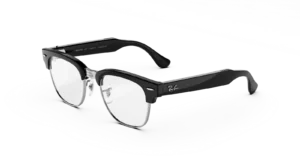
RAY-BAN META Clubmaster (Audio) AI GLASSES STANDARD
Price range: $349.00 through $429.00Select options This product has multiple variants. The options may be chosen on the product page -

META CAPRI AI GLASSES
$299.00Select options This product has multiple variants. The options may be chosen on the product page -
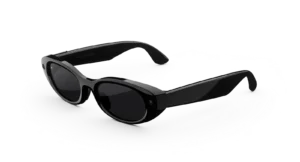
META GLASSES Starfire Kylie Edition STANDARD
Price range: $399.00 through $479.00Select options This product has multiple variants. The options may be chosen on the product page -
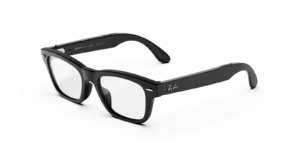
RAY-BAN META Burbank (Audio) AI GLASSES
Price range: $349.00 through $429.00Select options This product has multiple variants. The options may be chosen on the product page
Reviews
There are no reviews yet.