Don't miss our holiday offer - up to 50% OFF!

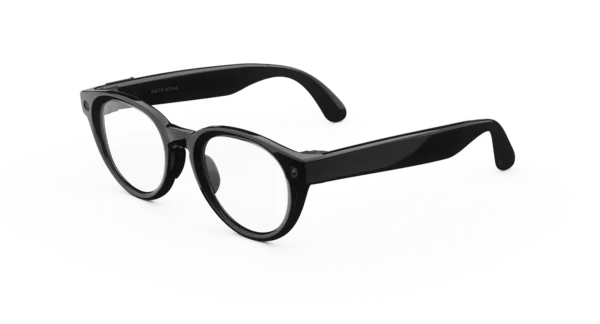

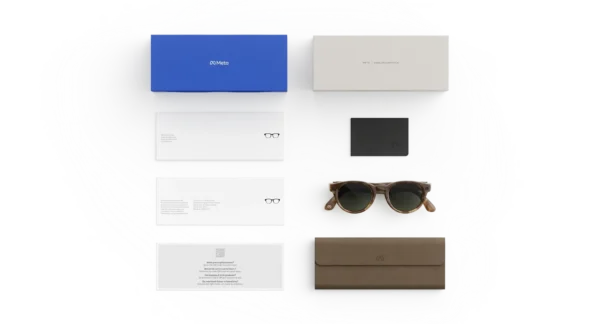
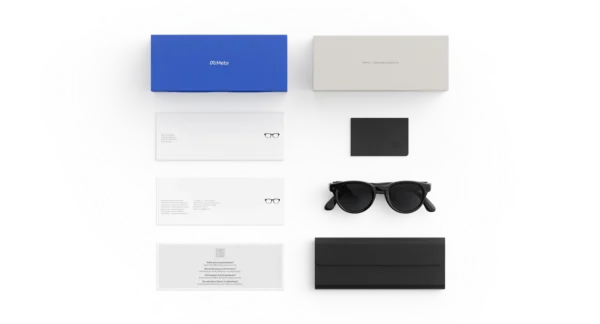

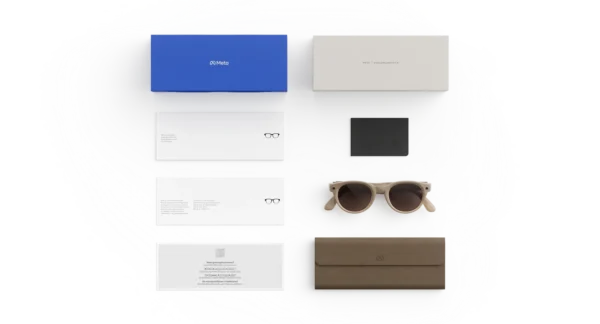
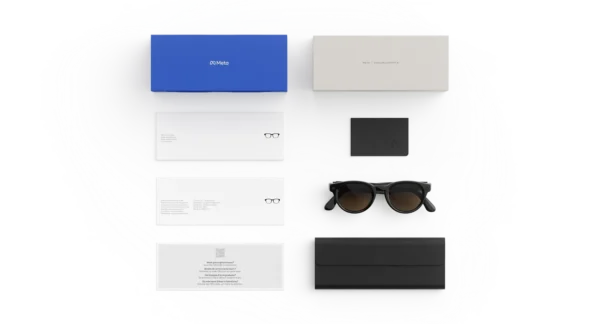
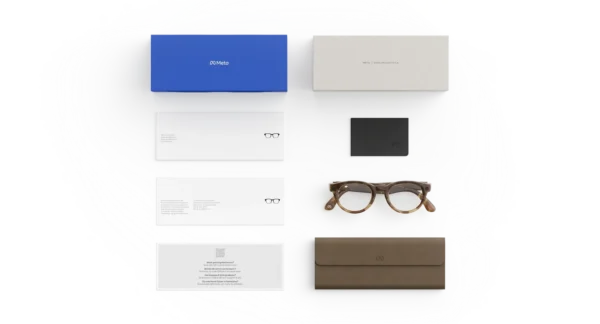
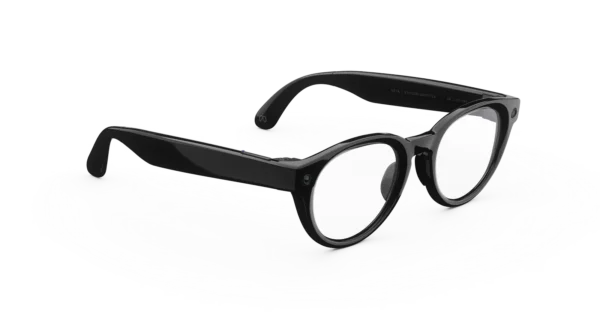
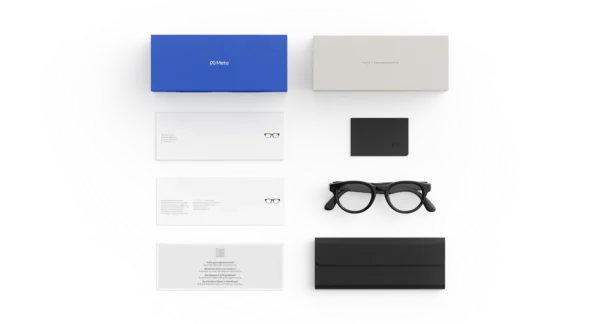

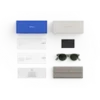

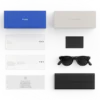






META NOVA AI GLASSES
Price range: $299.00 through $379.00
META NOVA AI GLASSES
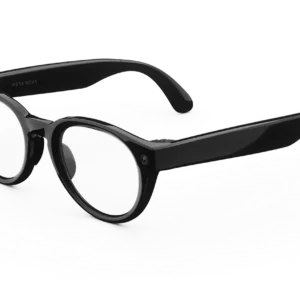
Smart Eyewear Designed for a More Connected Everyday Experience
A new approach to wearable technology is being introduced through intelligent eyewear that is designed to fit naturally into everyday routines. Instead of requiring users to constantly reach for a smartphone, smart glasses can be used as a convenient interface for selected digital experiences.
With the META NOVA AI GLASSES, a modern combination of eyewear, audio technology, cameras, connectivity, and artificial intelligence is brought together in a wearable format. As a result, everyday moments can be captured, communicated, and explored with greater convenience.
Whether a quick photo is being taken, a short video is being recorded, audio is being enjoyed, or an AI-assisted experience is being accessed, the technology is designed to remain close without becoming visually intrusive.
A New Generation of Connected Eyewear
Traditional glasses have primarily been designed around vision correction, sun protection, or personal style. Smart eyewear, however, is being developed with additional digital capabilities.
Through an integrated design, several functions can be made accessible from a device that is worn naturally throughout the day.
Instead of carrying another dedicated gadget, selected features can be incorporated into the eyewear itself. Therefore, fewer interruptions may be created during everyday activities.
The experience has been designed around simplicity. Controls can be accessed without requiring complicated menus, while voice interaction can provide another convenient way of engaging with supported features.
Intelligent Features in a Familiar Form
Modern technology can sometimes feel complicated. However, wearable technology is increasingly being designed around familiar objects.
That philosophy is reflected in this style of connected eyewear.
A lightweight glasses format can provide a more natural experience than a traditional handheld device for certain tasks. Photos can be captured from a first-person perspective, while audio can be experienced without conventional headphones covering the ears.
Furthermore, hands-free interaction can be useful when attention is already focused elsewhere.
Key Product Highlights
- AI-enabled smart eyewear concept
- Hands-free interaction
- Integrated camera functionality
- Built-in audio capabilities
- Voice-based controls
- Connected mobile experience
- Contemporary glasses-inspired design
- Convenient everyday portability
- Designed for photos and short-form video
- Suitable for communication and entertainment
- Modern wearable technology experience
- Designed with everyday usability in mind
- Compact alternative to carrying additional devices
- Potential access to supported AI-powered experiences
- Style-focused design for everyday wear
Why Smart Glasses Are Becoming More Popular
Wearable technology has evolved considerably. Fitness trackers introduced convenient access to activity information, wireless earbuds changed the way portable audio could be experienced, and smartwatches brought notifications closer to the wrist.
Now, connected eyewear is being developed as another step in that evolution.
The appeal is largely based on convenience.
Instead of pulling out a phone for every small interaction, certain tasks can potentially be completed through a wearable device. Consequently, digital experiences can become more integrated into everyday life.
For creators, travelers, students, professionals, and technology enthusiasts, hands-free functionality can be particularly appealing.
A More Natural Way to Capture Moments
Photography has traditionally required a smartphone, dedicated camera, or another recording device. Smart eyewear introduces another possibility.
A camera integrated into eyewear can provide a first-person perspective. Because the camera follows the user’s natural field of view, moments can be documented without necessarily holding a device in front of the scene.
This can be useful during:
- Travel
- Walking
- Outdoor activities
- Social events
- Creative projects
- Family moments
- Everyday documentation
- Content creation
The result can feel more immediate and spontaneous.
First-Person Content Creation
Content creators are constantly looking for new ways to present experiences.
A wearable camera can provide a perspective that is different from conventional smartphone footage. Rather than filming from a distance, a first-person viewpoint can place the viewer closer to the creator’s experience.
Therefore, smart eyewear may be particularly interesting for:
- Lifestyle creators
- Travel creators
- Vloggers
- Social media users
- Photographers
- Digital storytellers
- Technology enthusiasts
The hands-free approach can also allow activities to continue naturally while selected moments are documented.
AI-Assisted Everyday Interaction
Artificial intelligence has increasingly become part of everyday digital experiences.
Rather than being limited to computers, AI capabilities are now being incorporated into phones, applications, vehicles, smart home devices, and wearable products.
Smart glasses represent another potential interface.
Through supported software and connected services, AI-assisted interactions can potentially be accessed while the user remains engaged with the surrounding environment.
Voice Interaction
Voice controls can provide a convenient alternative to physical buttons.
A command can potentially be spoken rather than typed, depending on the supported software and connected services. This can make certain interactions feel faster and more natural.
For example, users may be able to interact with supported functions through conversational commands.
This hands-free approach can be particularly useful while:
- Walking
- Cooking
- Traveling
- Working
- Creating content
- Carrying items
- Exploring new environments
As a result, technology can be accessed without requiring constant screen interaction.
Camera and Video Capabilities
One of the most recognizable possibilities associated with intelligent eyewear is integrated imaging.
A built-in camera allows selected moments to be captured from the wearer’s perspective. Unlike a conventional phone camera, the eyewear can remain positioned naturally while the user continues interacting with the environment.
Convenient Moment Capture
Not every memorable moment is planned.
Sometimes an interesting scene appears unexpectedly. In those situations, reaching for a smartphone may take too long.
Wearable capture technology can reduce that interruption.
A quick interaction can potentially allow a photo or video to be recorded while the user’s hands remain available.
Designed for Everyday Creativity
Creative content does not always need to be produced inside a studio.
Interesting footage can be found in ordinary places:
- Streets
- Parks
- Beaches
- Events
- Cafés
- Shopping areas
- Travel destinations
- Sporting environments
- Outdoor adventures
Because the camera can be positioned at eye level, a natural perspective can be produced.
Built-In Audio for Connected Experiences
Smart eyewear is not only about visual technology.
Audio can also play an important role.
Integrated speakers can provide a way to listen to supported content while the surrounding environment remains audible. This approach can provide an alternative to conventional headphones for certain situations.
Music and Audio
Music can become part of everyday activities.
Whether a playlist is being enjoyed during a walk or a podcast is being listened to while completing routine tasks, wearable audio can provide additional convenience.
Depending on the connected device, operating system, software, and supported services, audio functionality may include access to selected media experiences.
Calls and Communication
Connected eyewear can also be useful for communication.
Supported calling and messaging functions may allow users to interact without constantly holding a smartphone.
This can make communication feel more seamless during busy moments.
Designed for Everyday Wear
Technology becomes more useful when it can comfortably fit into daily routines.
For that reason, wearable products are increasingly being designed to resemble familiar accessories rather than specialized electronic equipment.
The glasses-inspired form can provide a familiar appearance while technology is integrated into the overall design.
Style Meets Technology
A wearable device does not necessarily need to look like a piece of technical equipment.
Contemporary smart eyewear can be designed around the appearance of everyday glasses. As a result, technology can be incorporated into personal style rather than placed beside it.
This makes the concept appealing to people who value both functionality and appearance.
A Hands-Free Digital Experience
One of the strongest advantages associated with intelligent eyewear is hands-free operation.
Smartphones remain extremely useful, but interaction with them usually requires visual attention and physical contact.
Wearable technology can reduce the need for those interactions in selected situations.
Keep Your Hands Available
Hands-free technology can be especially useful when both hands are already occupied.
Imagine preparing food while listening to information, walking while capturing a short video, or traveling while interacting with digital assistance.
In these situations, wearable technology can provide another layer of convenience.
Less Screen Dependence
Another benefit is the possibility of reducing unnecessary screen interaction.
Instead of opening a phone for every small request, some tasks may be handled through voice or wearable controls.
That does not mean smartphones become unnecessary. Rather, smart eyewear can complement existing devices by providing another interface.
Connectivity and Companion Devices
Smart glasses generally depend on a connected ecosystem.
A compatible smartphone, application, internet connection, account, or other service may be required for particular functions.
Therefore, the complete experience should be considered as a combination of hardware and software.
Smartphone Integration
Mobile connectivity can allow smart eyewear to access supported features through a companion application.
Depending on the configuration, users may be able to manage settings, review captured content, access controls, and interact with supported services from their phone.
This connected approach allows the eyewear to remain relatively compact while additional processing and management can be handled by another device.
Who Can Benefit From Intelligent Eyewear?
Smart glasses can appeal to a wide variety of users.
Because different people use wearable technology in different ways, the value of the product can vary according to individual routines.
For Content Creators
Creators can benefit from hands-free capture and first-person perspectives.
Instead of asking another person to record a moment, content can potentially be captured directly from the creator’s viewpoint.
This can be useful for short-form videos, behind-the-scenes footage, travel content, demonstrations, and lifestyle storytelling.
For Travelers
Travel experiences can be documented without constantly carrying a camera.
Photos and videos can be captured while sightseeing, walking through new locations, or enjoying outdoor experiences.
Additionally, supported voice features can provide convenient interaction while attention remains focused on the surroundings.
For Professionals
Professionals may appreciate hands-free communication and audio capabilities.
Depending on workplace requirements and applicable policies, connected eyewear may provide useful support for communication, documentation, or selected productivity tasks.
For Students
Students and learners may also find wearable technology interesting.
Audio-based experiences, voice interaction, and supported AI functions can provide alternative ways of accessing information.
However, appropriate academic policies should always be followed when using AI or recording technology in educational environments.
Everyday Use Cases
The potential applications of connected eyewear are broad.
Travel Documentation
A journey can be documented from a natural first-person viewpoint.
Social Events
Memorable moments can potentially be captured without repeatedly reaching for a phone.
Outdoor Activities
Hands-free recording can be convenient when participating in activities where holding a camera would be inconvenient.
Music and Podcasts
Supported audio content can be experienced while remaining aware of the surrounding environment.
Communication
Compatible calling and messaging functions can provide additional convenience.
Creative Projects
First-person footage can introduce a distinctive perspective to digital storytelling.
Privacy and Responsible Use
Technology that includes cameras, microphones, connectivity, and AI should always be used responsibly.
Privacy should be respected whenever recording or interacting with other people.
Before capturing photos, videos, or audio in private environments, appropriate permission should be considered. Local laws and venue policies should also be followed.
Responsible Wearable Technology
Responsible use helps ensure that wearable technology remains beneficial.
Users should be aware of:
- Local recording laws
- Venue restrictions
- Workplace policies
- Personal privacy
- Consent requirements
- Data-sharing settings
- Account security
A thoughtful approach can help create a better experience for both the wearer and the people around them.
What Makes Modern AI Eyewear Different?
The primary difference is integration.
A smartphone combines many digital functions into a handheld device. Smart eyewear attempts to bring selected capabilities closer to the user’s natural field of view and everyday movement.
Rather than replacing every existing device, the technology is intended to complement them.
Technology That Fits Into Daily Life
The best wearable technology can become part of a routine rather than demanding constant attention.
That philosophy is reflected in hands-free design.
Instead of stopping an activity to interact with a screen, selected functions can potentially be accessed through voice, touch, or connected services.
Product Benefits at a Glance
- Hands-free functionality can reduce the need to hold a phone for selected tasks.
- Integrated imaging can provide a natural first-person recording perspective.
- Wearable audio can provide convenient access to supported sound experiences.
- Voice interaction can make certain commands more accessible.
- Connected features can extend functionality through compatible mobile devices.
- Contemporary styling allows technology to be incorporated into everyday eyewear.
- Portable construction can make the device convenient to carry because it is worn rather than stored separately.
- Creative possibilities can be opened through first-person photography and video.
- Everyday versatility allows the product to be considered for travel, communication, entertainment, and content creation.
An Experience Built Around Convenience
Convenience remains one of the strongest reasons people choose wearable technology.
Instead of adding another device to a pocket or bag, smart eyewear can place selected digital capabilities directly into something that is already worn.
This can simplify certain everyday interactions.
For example, a user may be able to capture a moment without removing a smartphone from a pocket. Similarly, supported audio can be experienced without traditional headphones.
The objective is not to make technology more complicated.
Instead, the goal is to make selected interactions feel more natural.
Modern Eyewear for a Connected Generation
Digital lifestyles continue to evolve.
People communicate through multiple platforms, create content from everyday experiences, use AI for information and creativity, and consume digital media throughout the day.
Wearable technology can bring these activities closer to the physical world.
The result is an experience where digital and physical environments can work together more naturally.
A Companion for Everyday Moments
From morning routines to evening activities, wearable technology can be integrated into many parts of the day.
Music may be enjoyed during a commute.
A memorable scene may be captured during a walk.
A voice command may be used while both hands are occupied.
A conversation may be handled without reaching for a phone.
These small interactions can collectively create a more connected experience.
Built for Creativity
Creativity is not limited to traditional cameras.
The first-person perspective offered by intelligent eyewear can provide another storytelling format.
Instead of positioning a camera in front of the user, the camera can follow the user’s viewpoint.
This can create a more immersive perspective for audiences.
New Perspectives for Content
First-person content can be especially effective for:
- Travel storytelling
- Product demonstrations
- Daily vlogs
- Tutorials
- Behind-the-scenes videos
- Outdoor adventures
- Lifestyle content
- Educational demonstrations
Furthermore, spontaneous content can feel more authentic because the recording process can remain relatively unobtrusive.
AI and the Future of Wearable Technology
Artificial intelligence is changing the way people interact with technology.
Traditional interfaces have relied heavily on keyboards, touchscreens, and menus.
AI introduces more conversational interaction.
When AI capabilities are combined with wearable devices, technology can potentially become more contextual and accessible.
From Screen-Based to Ambient Interaction
Ambient technology is designed to remain available without demanding constant attention.
Smart eyewear represents one example of this direction.
Instead of requiring a user to stare at a screen, certain interactions can potentially happen through voice, audio, or visual capture.
This approach may become increasingly important as AI continues to evolve.
Product Considerations Before Purchase
Before purchasing connected eyewear, several factors should be considered.
Compatibility should be checked carefully because available features can depend on the smartphone, operating system, application, region, and software version.
Battery performance should also be considered according to expected usage.
Likewise, camera, audio, connectivity, and AI functionality should be reviewed based on the specific configuration being purchased.
Check Your Compatibility
Before ordering, customers should verify:
- Compatible smartphone requirements
- Supported operating systems
- Companion application availability
- Regional feature availability
- Connectivity requirements
- Account requirements
- Charging requirements
- Available storage options
- Supported AI features
Because software features can change over time, current manufacturer information should always be consulted before purchase.
A Practical Choice for Modern Digital Lifestyles
Technology should serve people rather than interrupt them.
Connected eyewear provides an interesting approach to that principle.
Through a combination of wearable design, camera technology, audio, connectivity, and AI-supported features, everyday interactions can be made more accessible.
The experience is especially appealing to people who want technology to remain available while their attention stays on the real world.
Frequently Asked Questions
What are META NOVA AI GLASSES?
The term refers to a style of AI-enabled smart eyewear designed to combine traditional glasses functionality with connected digital features such as audio, imaging, voice interaction, and supported AI experiences.
Specific capabilities can vary according to the actual model, software, region, and connected services.
Can smart glasses take photos?
Smart glasses equipped with cameras can be designed to capture photos. The available resolution, storage, controls, and sharing features depend on the specific model.
Can they record video?
Camera-equipped smart eyewear can support video recording. Recording duration, quality, storage, and sharing options can vary by product configuration.
Can smart glasses play music?
Many connected eyewear products include integrated audio capabilities. Compatible smartphones, applications, and supported services may be required.
Can AI be accessed through smart glasses?
AI functionality can be available on supported devices and services. However, capabilities may depend on software, account access, internet connectivity, region, and product configuration.
Are smart glasses useful for content creators?
They can be particularly useful for creators who want first-person footage, hands-free recording, or a different perspective from conventional smartphone cameras.
Do smart glasses replace a smartphone?
No. Smart eyewear is generally intended to complement smartphones rather than completely replace them.
Are smart glasses suitable for travel?
They can be useful for travel because photos, video, audio, and selected connected functions can potentially be accessed without carrying a separate camera.
Can other people be recorded?
Potentially, yes, where the product includes recording capabilities. However, users should respect privacy, consent, local laws, and venue policies.
Final Product Overview
The future of personal technology is increasingly being shaped around convenience, connectivity, and natural interaction.
Smart eyewear represents an important part of that evolution.
By combining the familiar form of glasses with selected digital capabilities, a more integrated experience can be created. Photos can be captured from a first-person perspective, supported audio can be enjoyed without conventional headphones, and voice interaction can provide another way to access connected features.
For creators, travelers, professionals, students, and technology enthusiasts, this approach can introduce new possibilities.
Rather than demanding more screen time, wearable technology can help selected digital functions move closer to the user while attention remains directed toward the surrounding world.
The META NOVA AI GLASSES concept therefore represents more than another electronic accessory. It reflects a broader movement toward intelligent, connected, hands-free technology that is designed to become part of everyday life.
Important: Actual specifications, AI capabilities, camera performance, compatibility, battery life, included accessories, and supported services should be verified against the exact model and manufacturer documentation before purchase.
META NOVA AI GLASSES
Advanced Wearable Technology for Everyday Life
Modern consumers are increasingly looking for technology that feels useful rather than intrusive. As digital experiences become more integrated into everyday routines, wearable devices are being designed to provide access to selected functions without requiring constant interaction with a smartphone.
Smart eyewear is part of that transition.
By combining the familiar appearance of glasses with connected technology, a more natural interface can be created. Consequently, selected digital experiences can be accessed while attention remains focused on the surrounding environment.
The concept is especially relevant for people who value convenience, mobility, creativity, and hands-free interaction.
A More Natural Relationship With Technology
Traditional digital devices often require users to stop what they are doing.
A smartphone must usually be removed from a pocket or bag. A screen must then be activated, viewed, and navigated. While this approach remains extremely effective, it is not always convenient.
Wearable technology can reduce some of those interruptions.
Instead of making every interaction dependent on a handheld screen, selected functions can be made available through voice commands, integrated controls, audio feedback, or camera functionality.
As a result, everyday technology can feel more accessible.
Technology That Stays Close
The advantage of wearable electronics is simple: the device is already with the user.
There is no separate camera to carry.
There may be no need to hold headphones.
A phone does not necessarily have to be removed for every supported interaction.
This approach can be particularly useful during activities where mobility matters.
Intelligent Eyewear for Content Creation
Content creation has become a major part of modern digital culture.
People are creating videos for social platforms, documenting travel experiences, sharing tutorials, producing reviews, and building personal brands.
However, conventional recording can sometimes interrupt the activity being documented.
Smart eyewear provides another possibility.
First-Person Recording
A camera positioned within eyewear can capture scenes from the wearer’s perspective.
This creates a viewpoint that can feel more immediate and personal.
For creators, the format can be used for:
- Behind-the-scenes footage
- Walking videos
- Travel diaries
- Lifestyle content
- Product demonstrations
- Tutorials
- Outdoor activities
- Event coverage
- Personal storytelling
Because the camera can remain aligned with the user’s viewpoint, a more natural perspective may be produced.
Hands-Free Creativity
Hands-free recording can be valuable when both hands are needed for an activity.
A creator could demonstrate a process while continuing to work. A traveler could document a location without constantly holding a phone. An outdoor enthusiast could capture selected moments while remaining engaged with the activity.
Therefore, the recording process can become less disruptive.
Photography Without Constantly Holding a Camera
Photography has traditionally required deliberate positioning.
A smartphone must be lifted.
The camera application must be opened.
The scene must then be framed.
Although these steps can be completed quickly, unexpected moments may disappear before the camera is ready.
Wearable imaging can provide an alternative.
Capture the Moment
A camera integrated into eyewear can be positioned naturally at eye level.
This can make spontaneous photography more accessible.
A memorable view during a journey, an interesting street scene, or an unexpected moment with friends can potentially be documented without a traditional camera being held in front of the face.
The experience is therefore centered around immediacy.
Everyday Photography
The technology can be considered for many ordinary situations:
- Morning walks
- Family gatherings
- City exploration
- Road trips
- Outdoor adventures
- Festivals
- Creative projects
- Informal events
- Travel experiences
The resulting images can provide a perspective that differs from conventional smartphone photography.
Audio Experiences Without Traditional Headphones
Visual functionality is only one part of modern connected eyewear.
Audio can be equally important.
Integrated speakers can provide access to supported sound content while leaving the ears relatively open to the surrounding environment.
Music and Podcasts
Daily routines can become more enjoyable when audio is available.
Music can accompany a morning walk.
A podcast can be listened to while completing routine activities.
Navigation instructions may be heard while traveling.
Depending on the supported ecosystem, connected eyewear can provide access to different forms of audio entertainment.
Staying Aware of Your Surroundings
One potential advantage of open-style wearable audio is that users may remain more aware of their environment than they would with fully isolating headphones.
Nevertheless, appropriate caution should always be used around traffic, machinery, bicycles, and other potentially hazardous environments.
Communication on the Move
Communication is another important part of connected technology.
Calls and messages are commonly managed through smartphones, but wearable devices can offer additional interaction methods.
Depending on the supported features, smart eyewear can be used as a hands-free interface for selected communication tasks.
Calling Features
Hands-free communication can be convenient while walking, working, traveling, or completing everyday tasks.
Instead of holding a phone against the ear, compatible audio functionality can potentially be used through the eyewear.
The exact calling experience will depend on the connected smartphone, operating system, application, and supported services.
Messaging
Voice interaction can also make selected messaging activities more convenient.
A message may be dictated instead of typed.
Supported notifications may be heard through the integrated audio system.
These capabilities can help reduce unnecessary screen interaction.
AI as a Wearable Assistant
Artificial intelligence has evolved from a specialized computing concept into a consumer-facing technology.
AI assistants can now be used for information, brainstorming, writing, translation, organization, image-related tasks, and other activities.
When AI is integrated with wearable technology, the interaction can become more immediate.
Conversational Interaction
Instead of navigating several menus, users can potentially interact through natural language.
This makes technology feel more conversational.
A question can be spoken.
A supported request can be made.
Information can potentially be returned through an appropriate connected experience.
The objective is to reduce friction between the user and the technology.
AI-Powered Possibilities
Depending on supported services, AI-enabled eyewear may be used for experiences such as:
- Asking general questions
- Receiving conversational assistance
- Exploring information
- Getting language assistance
- Identifying selected objects
- Generating ideas
- Supporting everyday tasks
- Interacting with digital services
Feature availability should always be checked for the specific model and region.
Language and Translation Possibilities
Communication across languages has become increasingly important.
Travelers, international students, business professionals, and multicultural communities may encounter multiple languages every day.
AI-powered tools can potentially help bridge some of these communication gaps.
Conversational Language Assistance
Where supported, voice-based AI can provide language-related assistance without requiring a user to constantly type into a phone.
This can make certain interactions more convenient.
However, AI-generated translations should not automatically be treated as perfect. Important legal, medical, contractual, or professional translations should be verified by qualified sources.
Travel and Exploration
Travel is one of the strongest potential use cases for wearable technology.
When exploring a new destination, people often want to capture photos, listen to directions, communicate with others, and remain aware of their surroundings.
Carrying multiple devices can become inconvenient.
A Travel-Friendly Concept
Wearable eyewear can combine several functions in one device.
A traveler may be able to:
- Capture selected moments
- Listen to supported audio
- Communicate hands-free
- Access supported AI features
- Use voice commands
- Remain focused on the environment
This can make the travel experience feel more seamless.
Exploring New Places
Walking through an unfamiliar city can create countless opportunities for discovery.
Architecture, markets, landscapes, street performances, and local experiences can all become potential memories.
Hands-free capture allows users to document those experiences without repeatedly stopping to operate a phone.
Everyday Convenience at Home
Smart eyewear is not limited to travel or content creation.
Everyday home activities can also benefit from hands-free technology.
While Cooking
Cooking often requires both hands.
A connected wearable device may provide convenient access to audio or supported voice features while food is being prepared.
A user might listen to a podcast, interact with supported information, or follow selected instructions without repeatedly touching a smartphone.
During Household Tasks
Cleaning, organizing, gardening, or completing small projects can also involve situations where holding a device is inconvenient.
Hands-free technology can therefore provide another way to remain connected.
Outdoor Activities
Outdoor environments can provide excellent opportunities for wearable technology.
Walking, sightseeing, hiking, cycling, and other recreational activities can involve continuous movement.
Capturing Outdoor Experiences
A wearable camera can provide a first-person perspective during outdoor activities.
However, safety should always remain the priority.
The use of recording, voice interaction, or connected features should never distract the wearer from traffic, terrain, weather, or other hazards.
Active Lifestyle Applications
Smart eyewear may be considered for:
- Walking
- Hiking
- Sightseeing
- Recreational cycling
- Outdoor photography
- Travel
- Nature exploration
Specific suitability will depend on the actual product design and environmental conditions.
Design and Personal Style
Wearable technology must balance functionality with appearance.
People wear glasses close to their face, meaning design matters considerably.
A product that feels visually uncomfortable may be less appealing regardless of its technical capabilities.
Fashion Meets Function
Modern connected eyewear is often designed to resemble conventional glasses.
This can make the transition into wearable technology more natural.
Instead of appearing like a specialized gadget, the product can become part of an everyday outfit.
Suitable for Different Personal Styles
A versatile eyewear design can complement different preferences.
Minimalist outfits, casual clothing, professional attire, and travel wardrobes can all potentially be paired with contemporary smart glasses.
The goal is to provide technology without requiring users to compromise personal expression.
Comfort and Everyday Wearability
Comfort should be considered before purchasing any wearable device.
Because eyewear is worn on the face, fit can influence the overall experience.
Finding the Right Fit
Users should review available frame sizes, lens options, weight, bridge measurements, and other fit information before ordering.
Individual comfort can vary.
A frame that feels comfortable for one person may feel different for another.
Wearing During Extended Periods
People who intend to wear smart glasses for several hours should pay particular attention to fit.
Balanced weight distribution can contribute to comfort.
Proper adjustment can also help.
If prescription lenses are required, users should verify whether the specific model supports prescription lens installation and which lens providers are compatible.
Battery and Charging Considerations
Electronic eyewear requires power.
Battery performance can vary according to usage.
Camera recording, audio playback, connectivity, AI interactions, and frequent communication may consume more energy than occasional use.
Planning Around Battery Life
For users who expect heavy daily use, charging habits should be considered.
A charging accessory or compatible charging case may be used depending on the specific product.
Battery performance should not be judged solely by a manufacturer’s maximum estimate because real-world usage patterns differ.
What Can Affect Battery Usage?
Several factors may influence power consumption:
- Camera usage
- Video recording
- Audio volume
- Wireless connectivity
- AI interaction frequency
- Calls
- Software activity
- Temperature
- Battery age
Therefore, actual performance can vary.
Connectivity and Wireless Features
Connected eyewear relies on wireless technology to communicate with compatible devices and services.
A stable connection can improve the overall experience.
Mobile Connectivity
The companion smartphone often serves as an important part of the ecosystem.
It may be used for configuration, content management, software updates, sharing, or access to supported services.
Compatibility should therefore be confirmed before purchase.
Internet-Dependent Functions
Some advanced features may require internet access.
AI services, cloud-based processing, online content, and certain communication functions may not operate fully without an appropriate connection.
This distinction is important for travelers who expect to use the product in areas with limited connectivity.
Software and Feature Updates
Smart eyewear differs from traditional glasses because its capabilities can evolve through software.
Updates may improve performance, introduce new features, modify existing functionality, or address technical issues.
A Product That Can Evolve
Software updates can help extend the usefulness of connected devices.
As AI technology develops, supported wearable experiences may also evolve.
However, future features should never be assumed to be guaranteed.
Only officially confirmed functionality should be used when making purchasing decisions.
Security and Account Protection
Connected devices are part of a broader digital ecosystem.
Account security should therefore be treated seriously.
Protecting Connected Accounts
Users should use strong passwords and appropriate security controls.
Software should also be kept updated.
When a device is shared, sold, lost, or replaced, account and privacy settings should be reviewed.
Responsible Data Management
Photos, videos, audio, account information, and other digital content may be processed or stored depending on the software configuration.
Users should review the applicable privacy settings and service policies before using cloud-connected features.
Who Should Consider Smart Eyewear?
Smart eyewear may be particularly attractive to people who enjoy emerging technology but still want familiar everyday usability.
Technology Enthusiasts
Early adopters may appreciate the combination of wearable design, cameras, audio, and AI.
Digital Creators
Creators can explore first-person content and hands-free recording.
Travelers
Travelers may appreciate portable documentation and connected features.
Busy Professionals
Professionals may benefit from selected hands-free communication features.
Everyday Users
Even users who are not technology enthusiasts may appreciate simple functions such as audio, calls, photos, and voice interaction.
Shopping Guide
Before purchasing connected eyewear, customers should focus on the features that matter most to their lifestyle.
Consider Your Primary Use
If photography is the priority, camera capabilities should be reviewed carefully.
If music and communication are more important, audio and microphone performance should receive greater attention.
If AI is the primary attraction, supported AI features, regional availability, account requirements, and subscription conditions should be checked.
Consider Your Environment
Different environments require different considerations.
Urban users may prioritize communication and navigation.
Travelers may prioritize photography and language-related tools.
Creators may prioritize camera performance.
Outdoor users may prioritize comfort, durability, and battery performance.
Why Wearable AI Matters
Artificial intelligence is increasingly becoming less dependent on traditional screens.
Instead, AI can be incorporated into objects that people already use.
This transition is important because it changes the interface between people and technology.
From Devices to Experiences
The goal is no longer simply to own more technology.
Instead, the focus is increasingly placed on making technology more useful, accessible, and integrated.
Wearable AI illustrates this movement.
The device can become an interface through which selected digital services are accessed.
The Future of Personal Technology
The development of smart eyewear suggests that wearable computing may continue to expand.
As artificial intelligence becomes more capable, the role of wearable devices may become broader.
Future products could potentially offer more advanced contextual assistance, improved cameras, better battery efficiency, stronger audio, and increasingly natural voice interactions.
However, technological development should always be evaluated based on products that are actually available rather than speculative features.
SEO-Friendly Product Benefits
Convenient Hands-Free Interaction
Selected functions can be accessed without constantly holding a smartphone.
Integrated Camera Experience
A wearable camera can provide a first-person viewpoint for photography and video.
Connected Audio
Supported music, calls, podcasts, and other audio experiences can be accessed through compatible systems.
AI-Enabled Possibilities
Supported artificial intelligence features can provide another way to interact with digital information.
Everyday Portability
Because the technology is incorporated into eyewear, it can remain available throughout daily activities.
Creative Freedom
First-person capture can create new opportunities for content creation and storytelling.
Modern Appearance
The glasses-inspired form can blend technology with contemporary personal style.
Product Description for Online Store Listings
Smart eyewear has been designed for people who want technology to fit naturally into everyday life. Combining connected functionality with a familiar glasses format, this wearable experience can provide access to selected camera, audio, communication, voice, and AI-supported features.
Designed for convenience, the eyewear can be used for everyday photography, short-form video, music, communication, travel, and creative projects. Furthermore, hands-free interaction can reduce the need to repeatedly reach for a smartphone.
The integrated approach makes the product particularly appealing to creators, travelers, professionals, technology enthusiasts, and anyone interested in next-generation wearable experiences.
Before purchase, compatibility and available features should be confirmed for the exact model, region, smartphone, operating system, and associated services.
Quick Product Summary
Product Category: AI-enabled smart eyewear
Primary Experience: Connected wearable technology
Potential Uses: Photography, video, audio, communication, AI assistance, content creation
Interaction: Voice and compatible physical controls
Connectivity: Compatible mobile and wireless ecosystems
Design: Glasses-inspired wearable format
Best For: Creators, travelers, professionals, technology enthusiasts, and everyday users
Privacy: Responsible recording and applicable privacy requirements should always be observed
Frequently Asked Questions — Part 2
Are AI glasses difficult to use?
The basic concept is designed around familiar interactions such as wearing, speaking, listening, and using compatible controls. However, setup requirements can vary between products.
Can smart glasses be used without a smartphone?
Some basic functions may operate independently, but advanced features often depend on a compatible smartphone, application, internet connection, or account.
Can prescription lenses be used?
Some smart eyewear models support prescription lenses. Compatibility should be confirmed for the exact frame and lens configuration.
Can the glasses be used outdoors?
Many smart glasses are intended for everyday outdoor use, but users should review the specific product’s environmental and durability specifications before exposing the device to challenging conditions.
Are smart glasses waterproof?
Water resistance varies considerably between products. A device should never be assumed to be waterproof unless the manufacturer explicitly provides an appropriate rating.
Can videos be shared to social media?
Compatible applications may allow captured media to be transferred or shared. Available platforms and sharing functions can depend on the software ecosystem.
Can smart glasses replace headphones?
They may provide an alternative for some listening situations, but they are not necessarily intended to replace dedicated headphones for every use case.
Can smart glasses replace a smartphone camera?
They can provide a convenient alternative for selected first-person photography and video, but smartphone and dedicated cameras may still offer different capabilities.
Is AI available everywhere?
AI features can vary by country, language, account, software version, and service availability. Regional support should therefore be checked before purchase.
Final Buying Perspective
Connected eyewear should be viewed as an extension of an existing digital lifestyle rather than a complete replacement for smartphones, cameras, or computers.
Its greatest value can be found in moments where hands-free access provides a genuine advantage.
For creators, that advantage may be first-person video.
For travelers, it may be convenient photography and communication.
For music listeners, it may be wearable audio.
For technology enthusiasts, it may be the opportunity to experience AI through a new interface.
Ultimately, the right wearable device is the one whose features align with the user’s actual needs.
The META NOVA AI GLASSES keyword should therefore be associated naturally with the broader topic of connected eyewear, intelligent wearables, hands-free technology, AI assistance, wearable cameras, and modern audio experiences rather than being unnecessarily repeated throughout the page.
Suggested SEO Meta Title
META NOVA AI GLASSES | Smart AI Eyewear, Camera & Audio
Suggested Meta Description
Discover smart eyewear designed for hands-free photography, audio, communication and supported AI experiences. Explore features, benefits and everyday use cases.
Suggested URL Slug
/meta-nova-ai-glasses/
Suggested H1
META NOVA AI GLASSES
Suggested SEO-Friendly Secondary Keywords
- smart AI glasses
- AI smart eyewear
- intelligent glasses
- wearable AI technology
- smart glasses with camera
- AI eyewear
- connected smart glasses
- wearable camera glasses
- hands-free smart glasses
- smart glasses with audio
- AI-powered eyewear
- intelligent wearable technology
- connected eyewear
- smart glasses for creators
- smart glasses for travel
- wearable technology
- AI wearable device
- hands-free technology
- smart glasses with voice control
- next-generation smart eyewear
Conversion-Focused Closing
Experience Technology From a New Perspective
Wearable technology is moving closer to the way people naturally live, communicate, create, and explore.
Instead of adding another device to carry, intelligent eyewear can bring selected digital capabilities directly into an everyday accessory.
From hands-free communication and wearable audio to first-person photography and supported AI experiences, a new range of possibilities can be explored.
For anyone interested in modern connected technology, smart eyewear offers an exciting way to experience the next stage of digital interaction.
Explore the possibilities, discover the features that match your lifestyle, and choose the configuration that best fits your everyday needs.
Meta AI — AI Image, Video, Creative & Assistant Tools
Create, Explore, Imagine and Work Smarter With AI
Artificial intelligence has changed the way digital content can be created, edited, explored, and shared. From generating images from simple text prompts to creating engaging visual concepts, AI-powered tools are becoming part of everyday creative workflows.
Meta AI brings artificial intelligence into a growing ecosystem of conversational assistance, creative exploration, image generation, social experiences, and productivity features. Depending on availability, users may be able to interact with AI through Meta platforms and related experiences while discovering new ways to create and communicate.
Whether you are searching for a meta generator, exploring Meta AI features, looking for an AI picture generator, or learning how to create images with AI, this guide provides a broad introduction to the technology and the creative possibilities surrounding it.
What Is Meta AI?
Meta AI is Meta’s family of artificial-intelligence experiences designed to help people interact with AI, discover information, create content, and explore creative ideas.
For users searching whats meta ai, the simplest explanation is that Meta AI refers to AI-powered experiences developed by Meta for products and services across its ecosystem.
The exact capabilities available can vary according to the product, country, account, device, and rollout stage. Therefore, users should always check the current official product information when a particular feature is important.
Meta AI can be associated with conversational assistance, creative generation, visual experiences, recommendations, and other AI-powered functions.
What Is Meta AI Called?
Searches such as what is meta ai called, new meta ai, facebook’s ai, facebook and ai, and ai at facebook generally refer to Meta’s AI products and research ecosystem.
Rather than representing one single technology, the Meta AI ecosystem can include different models, applications, assistants, developer technologies, and creative experiences.
Meta AI Features
Modern AI assistants can provide several types of functionality. Depending on availability, Meta’s AI experiences may include capabilities related to:
- Conversational AI assistance
- Creative brainstorming
- Image generation
- Image editing
- Visual interpretation
- Text generation
- Information discovery
- Social-content assistance
- AI-powered recommendations
- Creative experimentation
- AI-powered productivity
- Developer-focused AI technologies
These possibilities make AI useful for creators, students, businesses, marketers, designers, developers, and everyday users.
Meta AI Picture Generator
One of the most popular AI use cases is image creation.
An AI picture generator can transform written descriptions into visual concepts. Instead of manually creating every element from scratch, a user can describe an idea and allow an AI system to interpret the prompt.
For example, a creator might enter a description such as:
“A futuristic city at sunset with glass skyscrapers, cinematic lighting and flying vehicles.”
An AI image system can then produce a visual interpretation of the request.
This is why searches such as meta ai picture generator, meta image generator, image maker, ai pic maker, ai imagine, and ai generate photos have become increasingly common.
Create an Image With AI
Learning como crear imagenes con ia does not require advanced graphic-design knowledge.
A typical AI image workflow can be broken into a few simple stages:
1. Describe Your Idea
Start with the subject you want to create.
For example:
- A product advertisement
- A landscape
- A character
- A fashion concept
- A logo concept
- A social-media visual
- A business illustration
2. Add Visual Details
More descriptive prompts can provide additional creative direction.
You can describe:
- Lighting
- Background
- Composition
- Perspective
- Environment
- Clothing
- Mood
- Materials
- Colors
- Artistic style
3. Generate the Image
The AI system interprets the prompt and creates a visual result.
4. Refine the Concept
If the result does not match your idea, modify the prompt and experiment again.
This approach explains searches such as crear una imagen con ia, ia para crear imagen, ia para generar imagenes, creador de imagenes ia, como hacer fotos con ia, and como hacer fotos con inteligencia artificial.
IA Para Generar Imágenes
The Spanish search phrase ia para generar imagenes means AI for generating images.
AI image-generation technology can be useful for:
- Social-media graphics
- Product concepts
- Advertising ideas
- Storyboards
- Illustrations
- Creative experiments
- Presentation visuals
- Marketing concepts
- Website imagery
Users searching for ia para generar imagenes gratis may also be looking for free or limited-access AI image-generation tools.
Availability, usage limits, commercial rights, and pricing can vary significantly between services.
Meta Create and Creative AI
Searches for meta create, meta generator, meta gen ai, meta image generator, and meta make-a-video often reflect interest in Meta’s broader generative-AI ecosystem.
Generative AI is designed to create new content from instructions, examples, or other inputs.
Depending on the specific application, generative systems may work with:
- Text
- Images
- Audio
- Video
- Code
- Multimodal information
The technology can therefore support many different creative workflows.
AI Photo Generation
AI photo tools can create completely new images or transform existing visual concepts.
Search terms such as ai my photo, make my photo ai, my ai image, ai picture generator from photo, fotos con ia, generar fotos con ia, and ai fotos describe different ways users search for AI-powered photography experiences.
An AI photo workflow can include:
- Creating a new portrait
- Developing a fictional scene
- Changing a background
- Exploring different artistic styles
- Creating marketing concepts
- Improving visual storytelling
- Developing social-media content
Users should always review the terms and privacy policies of the particular AI service before uploading personal photographs.
How to AI a Photo
If you are searching how to ai a photo, the basic concept is simple: provide an image to a compatible AI tool and select the type of transformation you want.
Depending on the tool, an uploaded image may be used as a reference for:
- Editing
- Restyling
- Background changes
- Creative variations
- Image enhancement
- Visual experimentation
The available options depend on the particular application.
Animate Photos With AI
Static images can also be transformed into animated concepts.
Searches such as animar imagenes con ia, animar imagen con ia gratis, animar fotos con ia, and animar imagem com ia refer to AI-assisted image animation.
An image-animation workflow may involve:
- Uploading an image.
- Selecting an animation style.
- Describing movement.
- Generating a short animation.
- Reviewing the result.
- Refining the prompt.
For example, a landscape could be given subtle motion, while a character portrait could be transformed into a short animated sequence.
AI Video Generation
Generative AI is also increasingly being used for video creation.
Searches for meta videos, meta make-a-video, free ai video maker no watermark, and similar terms reflect interest in automated video-production tools.
AI video technologies may be used for:
- Short-form social content
- Concept videos
- Product presentations
- Storyboards
- Creative experiments
- Marketing concepts
- Animated imagery
However, “free” and “no watermark” availability varies between providers and plans. Users should check the current terms before relying on a specific feature.
Meta AI Assistant
The Meta AI assistant is designed around conversational interaction.
Users may ask an AI assistant to help with tasks such as:
- Brainstorming
- Writing
- Summarizing
- Explaining concepts
- Generating ideas
- Creative planning
- General questions
Searches for meta ai assistant features capabilities, meta ask, meta ai chatbots, and what is the meta ai app reflect growing interest in AI assistants.
The exact capabilities may change as AI systems are updated.
Meta AI Tools
The broader category of meta ai tools can include consumer-facing AI experiences as well as technologies intended for developers and researchers.
AI tools can help users:
- Create
- Communicate
- Explore
- Automate
- Analyze
- Experiment
- Develop applications
The most suitable tool depends on the user’s objective.
Meta AI Models
Behind AI applications are machine-learning models capable of processing different types of information.
Searches for meta ai model, meta ai models, meta model api, dev meta, and what is meta code can relate to developer interest in AI models, APIs, programming, or Meta’s broader AI infrastructure.
Developers should consult the relevant official documentation before building an application because model names, APIs, access methods, pricing, and availability can change.
Meta Model API
An API can allow software developers to interact programmatically with an AI service.
A typical AI API workflow can involve:
- Creating or configuring an account.
- Obtaining appropriate credentials.
- Selecting a supported model or service.
- Sending an input request.
- Receiving the model response.
- Processing the response inside an application.
This can enable AI-powered features to be integrated into websites, applications, workflows, and business systems.
Meta AI Automation
Automation is another major application of artificial intelligence.
The phrase meta ai automation can describe workflows in which AI is used alongside automated processes.
Examples include:
- Content ideation
- Text processing
- Customer-support workflows
- Data classification
- Creative workflows
- Marketing assistance
- Repetitive task automation
However, automation should always be configured carefully. Human review remains valuable, particularly when AI-generated information affects customers, finances, legal matters, or important business decisions.
Meta AI Automator
Searches for meta ai automator and meta ai automator extension may refer to automation-related tools or third-party browser extensions.
Because third-party extensions can change over time, users should verify:
- Developer identity
- Permissions
- Privacy policy
- Reviews
- Security practices
- Current availability
Never provide sensitive credentials to an unfamiliar extension.
Meta AI Portal
The term meta ai portal may be used by users searching for a central location to access Meta-related AI services.
When looking for an official service, carefully check the domain and make sure you are using a legitimate Meta website rather than an unrelated third-party page.
Searches such as meta ai.com, meta website, meta online, meta download, and ai.meta can produce different results depending on the search engine and current web ecosystem.
Meta AI Download
Users searching for meta download or ai download may be looking for an AI application or access method.
Before downloading an AI application, verify:
- The official publisher
- The application’s permissions
- The platform compatibility
- The current version
- The privacy policy
Downloading software from unofficial sources can create unnecessary security risks.
AI on Facebook
AI is increasingly integrated into social platforms.
Searches including fb ai, ia facebook, ai in facebook, facebook and ai, and facebook’s ai reflect interest in AI-powered experiences connected with Facebook.
Depending on the feature and region, AI may support different experiences involving content, communication, discovery, recommendations, or creative tools.
Facebook AI and Creative Content
Social-media creators can use AI as part of their content-development workflow.
For example, AI can help with:
- Caption ideas
- Content planning
- Visual concepts
- Marketing brainstorming
- Image creation
- Storytelling
- Audience-oriented copy
The strongest results usually come from combining AI assistance with human creativity.
Meta Muse
Meta Muse is another term users may encounter when researching AI-powered creative technology.
Searches such as meta muse, muse spark 1.1 pricing, muse spark pricing, and spark muse may refer to specific AI research, models, products, or third-party references.
Because names and experimental AI projects can change, users should verify the current official source before purchasing access or relying on a particular specification.
AI Image Maker
An image maker powered by AI can turn concepts into visual content.
Instead of manually constructing an image layer by layer, users can describe the intended scene.
For example:
Prompt:
“Create a modern fishing tackle advertisement featuring a professional angler beside a mountain lake during golden hour.”
The resulting image can then be reviewed and refined.
This workflow can make creative experimentation faster and more accessible.
AI for Free Image Creation
Searches for ia para crear imágenes gratis, free ai apps, free ai applications, ai artificial intelligence online free, and midjourney ai gratis often indicate that users want to experiment without paying immediately.
Free AI services may have limitations such as:
- Daily generation limits
- Reduced resolution
- Limited features
- Queues
- Watermarks
- Restricted commercial rights
Therefore, users should compare the current terms before choosing a service for professional use.
Artificial Intelligence Apps
The AI-app ecosystem has expanded rapidly.
Different applications can focus on different functions, including:
Writing Apps
Designed for drafting, editing, summarization, and brainstorming.
Image Apps
Designed for image creation and editing.
Video Apps
Designed for animation and video generation.
Assistant Apps
Designed for conversational support.
Developer Apps
Designed for coding, APIs, and application development.
Productivity Apps
Designed for organization and workflow automation.
This variety explains the increasing number of searches for artificial intelligence apps, free ai applications, and free ai apps.
AI Meet
Searches for ai meet and meet ai can refer to different AI-powered meeting or communication technologies.
AI meeting tools may assist with:
- Transcription
- Summarization
- Notes
- Action items
- Meeting analysis
- Searchable conversations
Because several independent products use similar names, users should confirm the exact application they intend to use.
Meta AI Capabilities
AI capabilities can be grouped into several broad categories.
Creative Capabilities
AI can assist with visual concepts, writing, brainstorming, and other creative tasks.
Conversational Capabilities
AI assistants can respond to questions and follow conversational instructions.
Multimodal Capabilities
Some modern systems can work with multiple forms of information, such as text and images.
Productivity Capabilities
AI can assist with repetitive or information-heavy tasks.
Developer Capabilities
AI models can support application development through APIs and programming tools.
Meta AI Chatbots
AI chatbots are conversational software systems designed to interact with users using natural language.
A chatbot can be used for:
- Questions
- Brainstorming
- Writing assistance
- Product discovery
- General information
- Creative ideation
The quality of the result depends heavily on the model, prompt, context, and available tools.
Meta AI Image Generation for Creators
Creators can use AI image-generation technology as an idea-development tool.
A designer might use AI to explore several compositions before producing a final professional design.
A marketer could generate concepts for:
- Social posts
- Campaigns
- Product launches
- Advertisements
- Blog illustrations
A content creator could explore:
- Characters
- Environments
- Visual themes
- Story concepts
- Thumbnail ideas
AI does not have to replace creativity. Instead, it can become another creative instrument.
AI Photo Generator From Photo
An AI picture generator from photo can use an existing image as a visual reference.
Depending on the service, users may be able to create variations based on:
- Pose
- Style
- Background
- Lighting
- Composition
- Creative direction
When using real people’s photographs, permission and privacy should always be considered.
Meta AI Logo
Searches for meta ai logo usually indicate interest in identifying the branding associated with Meta AI.
When downloading logos or brand assets, users should use official brand resources where available and follow the applicable trademark and brand-use guidelines.
Meta Website and Online AI Services
The phrase meta website can refer to Meta’s official online properties.
Similarly, meta online, meta portal, and meta ai portal can be used by people searching for web-based AI experiences.
Because search results can include unofficial websites, users should carefully check domain names before signing in.
Meta AI and Social Media
Social media and artificial intelligence increasingly overlap.
AI can support creators by helping them:
- Develop concepts
- Generate drafts
- Explore images
- Plan content
- Improve productivity
For businesses, these tools can potentially accelerate content production while leaving final creative decisions to human teams.
AI-Generated Photos
The phrase ai generate photos can refer to the creation of new photographic-style images through generative AI.
AI-generated photos can represent:
- Fictional people
- Imaginary locations
- Product concepts
- Architectural ideas
- Fashion concepts
- Advertising scenes
However, users should avoid presenting synthetic images as authentic photographs when doing so could mislead viewers.
AI Photo Maker
An AI photo maker can simplify visual experimentation.
Instead of beginning with a blank canvas, users can begin with a natural-language description.
This can make image creation more approachable for people who do not have professional design experience.
Meta AI Video Tools
AI video technology continues to develop rapidly.
Tools associated with generative video can potentially help with:
- Image animation
- Short clips
- Visual storytelling
- Concept development
- Marketing videos
- Creative experiments
Searches for meta videos, meta make-a-video, and free ai video maker no watermark reflect the demand for accessible AI video creation.
AI Video Downloader
Searches for meta ai video downloader online may refer to downloading videos created by or viewed through an AI-related platform.
Users should make sure they have the right to download and reuse the content. Copyright, privacy, and platform rules still apply to AI-generated or AI-assisted media.
Meta Gen AI
Meta gen AI is commonly used as a shorthand for Meta’s generative-AI work.
Generative AI focuses on producing new content rather than simply retrieving existing information.
The generated content can include:
- Text
- Images
- Audio
- Video
- Code
The technology continues to evolve as models become more capable.
AI and Image Creativity
One of the most exciting applications of AI is the ability to turn abstract ideas into visual experiments.
A simple phrase can become a starting point for:
- A product concept
- A campaign
- A character
- A visual story
- A website hero image
- A social-media concept
This makes AI especially valuable during the early stages of creative development.
Como Hacer Fotos Con IA
For users searching como hacer fotos con ia, the process can be approached as follows:
Choose an AI Image Tool
Select a platform that provides the image-generation features you need.
Write a Clear Prompt
Explain what you want to see.
Add Context
Mention the subject, setting, lighting, style, and composition.
Generate
Allow the AI model to interpret your instructions.
Refine
Modify the prompt until the concept is closer to your desired result.
This process can be repeated as many times as the service permits.
Crear Imágenes Con IA
Crear imágenes con IA can be useful for both personal and professional projects.
For example, a small business could create early advertising concepts before investing in a professional photo shoot.
A creator could explore several visual directions before selecting one for a campaign.
A student could create illustrations for a presentation.
The technology therefore has applications across many creative fields.
Meta AI for Businesses
Businesses can potentially use AI to support creative and operational workflows.
Possible applications include:
- Marketing ideation
- Product descriptions
- Customer-support drafts
- Content planning
- Image concepts
- Research assistance
- Internal productivity
AI-generated material should still be reviewed before publication, especially when accuracy and brand reputation are important.
AI Tools for Content Creators
Content creators can integrate AI into different stages of production.
Before Creation
AI can assist with:
- Ideas
- Topics
- Scripts
- Storyboards
During Creation
AI can help generate:
- Images
- Visual concepts
- Drafts
- Variations
After Creation
AI can assist with:
- Captions
- Summaries
- Content repurposing
- Organization
This creates an efficient creative workflow without requiring every stage to be fully automated.
Meta AI for Digital Marketing
Digital marketers can use AI as a brainstorming and production assistant.
Potential uses include:
- Campaign concepts
- Advertising copy
- Product imagery
- Social-media ideas
- Audience-focused messaging
- Creative variations
However, marketing claims should always be checked for accuracy before publication.
AI Image Generation for E-Commerce
Online stores can also experiment with AI-generated visual concepts.
Possible applications include:
- Product backgrounds
- Lifestyle concepts
- Promotional graphics
- Seasonal campaigns
- Social-media visuals
For product photography, businesses should be transparent when an image is substantially synthetic or does not accurately represent the actual product.
Meta AI Tools for Everyday Users
AI is becoming easier to access.
Users do not necessarily need programming experience to experiment with modern AI systems.
Someone can begin with a simple request such as:
“Create an image of a modern city at night.”
The prompt can then be refined:
“Create a cinematic modern city at night after rain, with reflections on the street and warm architectural lighting.”
Adding useful context can improve the creative direction.
AI Prompting Tips
Good prompts often contain several useful components.
Subject
What should appear?
Environment
Where is it located?
Composition
How should the scene be arranged?
Lighting
What type of light should be used?
Style
What visual approach should be followed?
Mood
What feeling should the image communicate?
A structured prompt can help an AI system understand the intended result more clearly.
Why AI Image Generation Is Popular
AI image generation has become popular because it lowers the barrier to visual experimentation.
Previously, creating certain visual concepts might have required:
- Professional photography
- Graphic-design software
- Illustration skills
- 3D software
- Large production budgets
AI can provide a faster way to explore an idea.
Nevertheless, professional human creativity remains important for final production, brand consistency, accuracy, and originality.
Meta AI and Responsible AI Use
AI technology should be used responsibly.
When creating or sharing AI-generated content, consider:
- Copyright
- Privacy
- Consent
- Misrepresentation
- Impersonation
- Intellectual property
- Platform rules
- Commercial licensing
AI tools are powerful, but responsible use remains essential.
Is Meta AI Free?
The question is meta ai free does not have one universal answer for every AI feature.
Availability and pricing can depend on:
- Product
- Region
- Account
- Feature
- Usage
- Subscription
- API access
Some consumer AI experiences may be available without an additional charge, while other services, developer resources, or premium capabilities may have separate requirements.
Always check the current official terms before making purchasing decisions.
Meta AI and Free AI Applications
Users searching for free ai apps or ai artificial intelligence online free have many options across the wider AI industry.
However, free access can mean different things.
A service may provide:
- Free trials
- Limited daily usage
- Free basic features
- Free access with optional upgrades
- Open-source software
Therefore, users should compare the actual limitations rather than assuming that every advertised “free” service provides unlimited use.
AI Creativity Without Complicated Software
One of the biggest advantages of conversational AI is accessibility.
Instead of learning complicated software commands first, users can communicate their ideas using everyday language.
This approach can be especially useful for:
- Beginners
- Small businesses
- Content creators
- Students
- Entrepreneurs
- Social-media managers
AI can serve as a bridge between an idea and an initial creative result.
Meta AI for Visual Storytelling
Visual storytelling combines imagery, text, sequence, and emotion.
AI can help creators explore each of these components.
For example:
Idea: A young entrepreneur launches a new business.
AI can help develop:
- Character concepts
- Location concepts
- Product visuals
- Promotional imagery
- Storyboard ideas
- Video concepts
The creator remains responsible for selecting and refining the final story.
Meta AI and the Future of Creative Technology
Artificial intelligence is likely to continue influencing digital creativity.
Future AI systems may become better at:
- Understanding complex instructions
- Maintaining visual consistency
- Generating longer videos
- Editing existing media
- Working across multiple formats
- Assisting with professional workflows
The technology is developing quickly, so specific features and product names should always be checked against current official information.
Frequently Asked Questions
What is Meta AI?
Meta AI refers to AI-powered products, models, assistants, and research technologies developed by Meta.
What is Meta AI called?
The name generally used for Meta’s consumer-facing AI assistant and related AI experiences is Meta AI, although specific products and models may have their own names.
Can Meta AI generate images?
Image-generation capabilities can be available through certain Meta AI experiences and related products, depending on availability and region.
How can I create images with AI?
Choose a compatible AI image-generation service, describe the desired image in a prompt, generate the result, and refine it as needed.
Is Meta AI free?
Some Meta AI experiences may be available without a separate payment, while other products or services can have different access requirements.
Can AI animate photos?
Yes. Dedicated AI animation tools can transform still images into animated sequences, although available features differ by service.
Can AI create videos?
Yes. Generative video technology can create or transform video content, depending on the specific tool.
What is an AI image generator?
An AI image generator is software that uses machine-learning models to create visual content from prompts or other inputs.
Can AI create a photo from another photo?
Some AI tools can use an uploaded photograph as a reference for editing or generating variations.
What is Meta AI automation?
It generally refers to using AI within automated workflows, although the exact meaning depends on the specific tool or service being discussed.
What are Meta AI models?
They are AI models and systems associated with Meta’s broader artificial-intelligence research and product ecosystem.
What is Meta Model API?
An AI model API can allow developers to communicate with an AI service programmatically, subject to the applicable documentation and access requirements.
Can I use AI for Facebook content?
AI can assist with brainstorming, writing, visual concepts, and other content workflows. Users should still follow Facebook’s applicable rules and policies.
Key Features at a Glance
- AI Assistance: Conversational support for ideas, questions, and creative workflows.
- Image Generation: Create visual concepts from natural-language prompts where supported.
- Photo Creativity: Explore AI-assisted image variations and transformations.
- Video Creativity: Experiment with AI-assisted animation and video generation.
- Creative Brainstorming: Develop concepts for campaigns, stories, products, and social content.
- AI Models: Explore the technologies behind modern generative AI.
- Developer Potential: AI APIs can support software-development workflows where officially available.
- Automation: AI can be incorporated into selected automated workflows.
- Multimodal Experiences: Modern AI systems can work across different information formats.
- Accessible Creation: Natural-language prompts can make creative experimentation easier for beginners.
Conclusion
AI has transformed the way people approach digital creativity.
From meta generator searches and Meta AI features to meta image generator, AI picture generator, AI photo maker, image animation, conversational assistants, and generative video, artificial intelligence provides an expanding collection of creative possibilities.
Whether you are researching what is Meta AI, exploring meta create, learning como hacer fotos con ia, searching for ia para generar imagenes gratis, experimenting with ai generate photos, or investigating AI models and developer tools, the most important step is understanding which specific product or service provides the feature you need.
AI should be viewed as a creative and productivity partner rather than a replacement for human judgment. With clear prompts, responsible use, careful review, and the right tools, users can turn simple ideas into increasingly sophisticated digital experiences.
As the AI ecosystem continues to evolve, new models, assistants, creative applications, image generators, video technologies, and automation tools will continue to emerge.
The future of digital creativity is increasingly interactive, intelligent, and accessible.
| Frame color/Lens color | Classic Black/Clear, Honey Tortoise/Clear, Classic Black/Brown, Sandstone/Chocolate, Classic Black/Grey, Honey Tortoise/Clear to Graphite Green Transitions®, Sage/Clear to Emerald Transitions® |
|---|---|
| Frame size | Small, Standard |
Related products
-
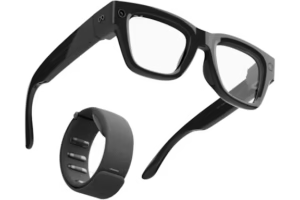
Meta | Ray-Ban Display & Neural Band AI Glasses with In-Lens Display, Photo, Video, Audio & Messaging – Standard Frame – Band Size 1 – Black
$1,149.99 -
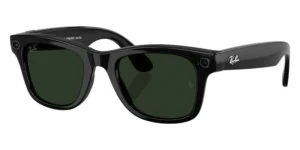
Ray-Ban | Meta Wayfarer (Gen 2) Glasses with AI, Photo, Video, Audio & Messaging – Matte Black/Clear – Standard
Price range: $519.99 through $609.99Select options This product has multiple variants. The options may be chosen on the product page -
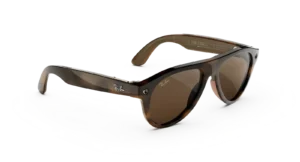
RAY-BAN META Aviator (Gen 3) AI GLASSES STANDARD
Price range: $449.00 through $579.00Select options This product has multiple variants. The options may be chosen on the product page -
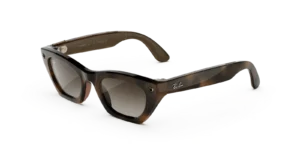
RAY-BAN META Zena (Gen 3) AI GLASSES STANDARD
Price range: $449.00 through $529.00Select options This product has multiple variants. The options may be chosen on the product page
Reviews
There are no reviews yet.